 EN
EN

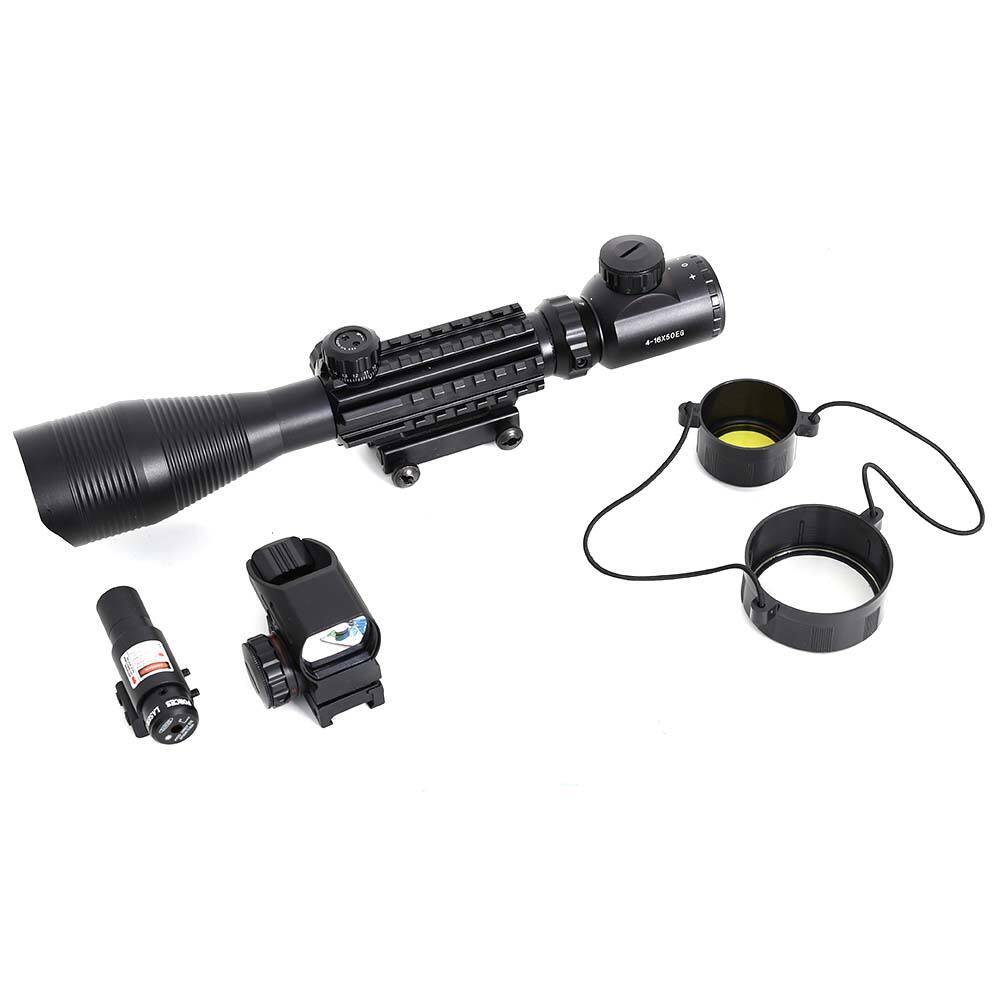
Core Principles of Scope Reticle Design
What Is a Reticle and Why It Matters in Optics
The reticle, sometimes referred to as a graticule, basically refers to those lines we see inside a scope lens that help aim the shot. How it's designed makes all the difference when it comes to hitting what we're shooting at, how fast we can get on target, and whether it works well in different situations. According to some research from last year, around seven out of ten competitive shooters noticed they could lock onto targets about 40% quicker when they used specialized reticles instead of generic ones. These days, scopes aren't just simple crosshairs anymore. Manufacturers have started adding things like windage adjustments, elevation markings, and even built-in compensation systems for bullet drop. This helps shooters deal with actual conditions on the range or in the field where bullets don't always fly straight and true because of wind, distance, or other environmental stuff.
The Evolution of Reticle Design: From Simple Crosshairs to Advanced Grids
Back in the mid 1800s, the first reticles were nothing more than basic crosshairs used primarily by artillery units. Fast forward to the 1980s when things got interesting - duplex reticles came along with those tapered lines that helped shooters get on target quicker, and around the same time we saw Mil-Dot systems start appearing, allowing folks to estimate ranges based on how much space an object took up in their scope. These days, modern designs manage to hit that sweet spot between being accurate enough for serious shooting and flexible enough for different situations. Take Christmas tree grids for instance, which pack in about 40 to 50 percent more holdover points compared to older styles, making them really handy for those long distance shots where every inch counts. The military has been jumping on board with these hybrid systems too. A recent study from the US Army found that soldiers made roughly 33% fewer mistakes calculating wind effects when they switched to scopes with properly calibrated grid reticles.
Key Components of Modern Reticle Patterns
| Component | Primary Function | Example Use Case |
|---|---|---|
| Center Dot/Crosshair | Precision aiming | Bullseye target shooting |
| Windage Markers | Horizontal hold compensation | Adjusting for crosswinds |
| Elevation Markings | Vertical bullet drop correction | Long-range ballistic adjustments |
| Illumination | Low-light visibility enhancement | Dawn/dusk hunting scenarios |
How these different components work together really affects how good a reticle performs in practice. Take it from someone who's spent years on the range - tactical shooters tend to go for mil-dot scales because they make distance estimation so much faster during high pressure situations. Hunters meanwhile usually stick with simple duplex patterns since too many lines just get in the way when tracking game through dense woods. The newer scopes coming out these days have something called focal plane adjustments built right in. According to recent market research, around 8 out of 10 people buying scopes in 2024 see this as absolutely essential. Why? Because when magnification changes, those tiny measurement marks stay accurate no matter what zoom level the shooter is using. Makes all the difference when precision counts.
Design Philosophy: Precision and Speed in Tactical Reticles
Tactical reticles prioritize rapid target engagement and windage compensation through dense grid patterns. Modern designs like MIL-based Hashed Crosshairs integrate wind holds and elevation marks calibrated for 1,200+ yard engagements. A 2023 Precision Optics Report found shooters using tactical grids achieved 22% faster follow-up shots at 500+ meters compared to traditional duplex reticles.
Hunting-Focused Reticles: Simplicity, Visibility, and Ethical Shot Placement
Most hunters prefer simple designs when it comes to their scopes, especially ones featuring German #4 reticles. According to the latest Hunter Survey from 2024, around 8 out of 10 respondents said they want to get on target fast, which makes sense given how fleeting opportunities can be in the field. The thick outer posts really help during those low light hours at sunrise or sunset, yet still keep that central crosshair sharp enough for clean kills. Scope makers have caught onto this trend too, offering plenty of high contrast reticle choices these days. A recent poll found nearly 60% of folks felt much better about their shots when visibility wasn't great, so it's no wonder why companies like Vortex and Leupold are pushing these new options so hard.
Choosing the Right Reticle Based on Shooting Discipline
| Factor | Tactical Scopes | Hunting Scopes |
|---|---|---|
| Primary Focus | Multi-target engagement | Single-shot precision |
| Marking Complexity | High (wind/elevation grids) | Low (clean center point) |
| Low-Light Emphasis | 32% use illumination | 68% prioritize passive visibility |
A 2023 Ballistic Study showed hunters achieve 97% first-round hit rates using simplified reticles under 300 yards, while tactical shooters required advanced subtensions for 800+ yard engagements.
Debating Universal Reticles: Can One Design Fit All Applications?
While 60% of shooters expressed interest in "do-it-all" reticles, field testing reveals compromises: universal patterns reduced long-range precision by 15% and increased visual clutter in hunting scenarios. Customization remains critical—79% of professional marksmen use discipline-specific reticles for competition or field use.
Mil-Dot, MOA, and Subtension Systems Explained
Mil-Based vs. MOA-Based Reticles: A Practical Comparison for Shooters
When shooters pick between milliradian (Mil) and Minute of Angle (MOA) reticles, it really affects how accurate they can be in different shooting situations. Mil reticles work by splitting the scope's view into tiny parts - specifically 1/1000th of a radian each. This lets folks make quick changes for wind drift and elevation without much calculation. A recent survey from 2023 found that about seven out of ten long range competitors prefer these for exactly this reason. On the other hand, MOA systems break down angles differently, using 1/60th degree measurements instead. Many hunters gravitate toward MOA because the math translates nicely to actual distances we measure in our everyday lives. At 100 yards away, one MOA equals roughly an inch and half an eighth of an inch. That makes it easier to estimate bullet drop or wind compensation when tracking game through forests or open fields where precise yardage estimates matter most.
| Feature | Mil-Based | MOA-Based |
|---|---|---|
| Adjustment Precision | 0.1 Mil â 0.36†@100yd | 0.25 MOA â 0.26†@100yd |
| Common Applications | Tactical/Military | Hunting/Target |
| Learning Curve | Steeper | Moderate |
Understanding Reticle Subtensions and Precision Markings
The angles between those little markings on a reticle, what we call subtensions, basically turn scopes into handy range finders for shooting. Take Mil-Dots for instance. They're spaced about 0.2 Mil apart, which lets folks figure out how far away something is just by looking at how big it appears through the scope compared to those dots. Let me put this in perspective. If someone sees a person who's around 6 feet tall taking up space equal to one Mil mark in their sight picture, they can guess that person is roughly 600 yards away. The math works out because when you multiply the height in yards by 1000 and then divide by the number of Mils, that gives the approximate distance. Makes sense right?
Using Subtensions for Range Estimation and Bullet Drop Compensation
Advanced shooters combine subtension math with ballistic data for first-shot hits. A .308 Winchester round dropping 72” at 800 yards requires 2.4 Mils of elevation (72” x 27.78”/Mil@800yd). Field tests using calibrated reticle systems show 40% faster engagement times versus traditional holdover methods.
Real-World Accuracy Gains with Calibrated Mil-Dot Reticles at Long Range
Marksmen using true 0.1 Mil-adjusted scopes demonstrate 27% tighter groups at 1,000 meters compared to MOA equivalents in 2023 field trials. This stems from Mil’s decimal-based math aligning seamlessly with metric ballistic solutions—critical when a 0.5 Mil error equals a 19” miss at 1km.
Popular Reticle Types and Their Real-World Performance
Duplex Reticle: The Go-To Choice for General-Purpose and Hunting Scopes
Most hunters still go with the classic duplex reticle pattern these days. A recent survey from 2023 found that around two thirds of shooters prefer this design because it doesn't get in their way when they're looking through the scope. The outer lines are pretty thick but then get much thinner towards the middle where the crosshairs meet. This setup helps folks spot targets quickly without sacrificing accuracy on those shots we typically take out there in the field, usually under 300 yards or so. What makes this reticle work well in dense cover is how little it blocks the view, but hunters who need to make adjustments for longer shots might find themselves wanting something else since there aren't any built-in holdover marks for distance compensation.
BDC Reticles: How They Work and Where They Fall Short
BDC reticles have those little marks underneath where the crosshairs meet that help shooters guess where their bullets will go. They work pretty well for set distances and factory ammo most of the time. But according to some research from last year in ballistics journals, these BDC setups actually miss by about 22 percent more vertically than mil-dot systems when folks start shooting stuff other than what came out of the box. The problem? These reticles come with preset numbers that don't change much no matter if someone's shooting high up in the mountains versus down at sea level, or if weather conditions shift around. Temperature changes and different bullet shapes throw everything off too since the BDC can't adjust on its own.
Christmas Tree Reticles: Maximizing Holdoff Options for Long-Range Precision
Tactical reticles such as the Christmas Tree design come equipped with those handy 0.2 MIL windage marks plus those elevation dots that cascade down for shooting at moving targets really far away. According to some field testing done out there in the wild, seasoned marksmen can get their wind corrections sorted about 40 percent quicker when using these specialized reticles instead of regular old mil-dots. But let's not kid ourselves here folks - those busy little markings on the scope aren't something most people just pick up overnight. Realistically speaking, it takes anywhere from twenty to thirty hours of proper training before someone can actually make good use of them while things are happening fast and furious under pressure situations.
Illuminated Reticles: Improving Target Acquisition in Low-Light Conditions
Electronically illuminated reticles improve dawn/dusk visibility by 57% per 2024 low-light shooting trials. Leading manufacturers now offer multiple daylight-brightness settings and motion-activated illumination. While invaluable for twilight hunting, users report battery failure remains the #1 field reliability concern, with 19% of illuminated scope owners experiencing power issues during multi-day expeditions.
Red Dot Sights and Reticles: Speed and Clarity in Close-Quarters Use
Parallax-free red dot systems dominate the close-quarters defensive market, enabling <0.25 second target transitions at 25 yards. The latest 2 MOA micro-dot configurations reduce obscuration of peripheral threats while maintaining precision for head shots. A 2023 law enforcement transition drill analysis showed 28% faster threat engagement times compared to traditional iron sights.
Advanced Tactical Reticle Systems and Industry Trends
High-Performance Reticles: Horus, TMR, and Mil-Style Grids Compared
Today's tactical reticles are all about getting those shots on target accurately, thanks to their carefully measured subtension markings. Take the Horus H59 grid for instance it packs in ballistic solutions so shooters can quickly adjust their aim without fumbling around. Meanwhile, the TMR or Tactical Milling Reticle keeps things simple with clean .2 Mil increments that make range estimation and wind adjustments much easier. Some mil-based options such as the MIL-Grid go even further by including windage markers and elevation scales, which helps shooters compensate when facing those pesky 10 mph crosswinds beyond 600 yards out. According to research from last year, folks who shoot with these calibrated grids tend to fix their follow-up shots about 18 percent quicker compared to those sticking with old school duplex sights. Makes sense really, since having those reference points right there in the scope saves precious time during critical moments.
Mastering Wind Holdoff and Elevation Corrections with Tactical Reticles
Tactical reticles turn tricky environmental factors into something shooters can actually see and work with. The windage marks are set about 1 MIL apart, helping marksmen guess how much their shots will drift just by watching leaves move or looking at mirage patterns on hot days. When it comes to elevation adjustments, there are these 0.5 MIL hash marks right below the middle of the scope. These let shooters compensate for bullet drop without having to mess around with turret adjustments, which matters a lot during fast firefights against several targets. Police snipers have noticed they spend roughly 32 percent less time getting ready to shoot when they use these specialized reticles instead of the older MOA systems that many still rely on.
Comparing Tactical Reticle Offerings Across Top Scope Brands
Leading manufacturers balance feature density with user experience:
- Long-range systems prioritize MIL-based grids with illumination for dusk operations
- Urban tactical scopes favor simplified BDC configurations with daylight-bright dots
- Hybrid designs incorporate dual-calibration (MIL/MOA) turret/reticle pairings
Balancing Complexity and Usability in Next-Gen Reticle Designs
The industry’s latest focus shifts to decluttering interfaces while maintaining functionality. Emerging designs use:
- Context-aware illumination: Auto-adjusts brightness based on ambient light sensors
- Modular subtensions: Users can enable/disable specific ranging markers via companion apps
- Dynamic zero stops: Combines physical turret stops with virtual reticle zero presets
This evolution addresses a key pain point—67% of tactical shooters in a 2024 survey cited "information overload" as their primary concern with advanced reticles.
FAQ
What is a reticle in optics?
A reticle, also known as a graticule, is a set of lines inside a scope lens that aids in aiming the shot.
How has reticle design evolved over the years?
Reticle design has evolved from simple crosshairs used by artillery units in the 1800s to advanced grids like Christmas tree reticles that offer more holdover points.
What are the key components of modern reticle patterns?
Modern reticle patterns include center dots, windage markers, elevation markings, and illumination for enhanced visibility.
How do tactical reticles differ from hunting reticles?
Tactical reticles are designed for rapid target engagement and have dense grid patterns, while hunting reticles focus on simplicity and visibility for ethical shot placement.
What are Mil-Dot and MOA-based reticles?
Mil-Dot reticles divide the scope's view into parts of 1/1000th radian each, while MOA reticles use 1/60th degree measurements for angle estimation.
Table of Contents
- Core Principles of Scope Reticle Design
- Design Philosophy: Precision and Speed in Tactical Reticles
- Hunting-Focused Reticles: Simplicity, Visibility, and Ethical Shot Placement
- Mil-Dot, MOA, and Subtension Systems Explained
-
Popular Reticle Types and Their Real-World Performance
- Duplex Reticle: The Go-To Choice for General-Purpose and Hunting Scopes
- BDC Reticles: How They Work and Where They Fall Short
- Christmas Tree Reticles: Maximizing Holdoff Options for Long-Range Precision
- Illuminated Reticles: Improving Target Acquisition in Low-Light Conditions
- Red Dot Sights and Reticles: Speed and Clarity in Close-Quarters Use
- Advanced Tactical Reticle Systems and Industry Trends
