 EN
EN

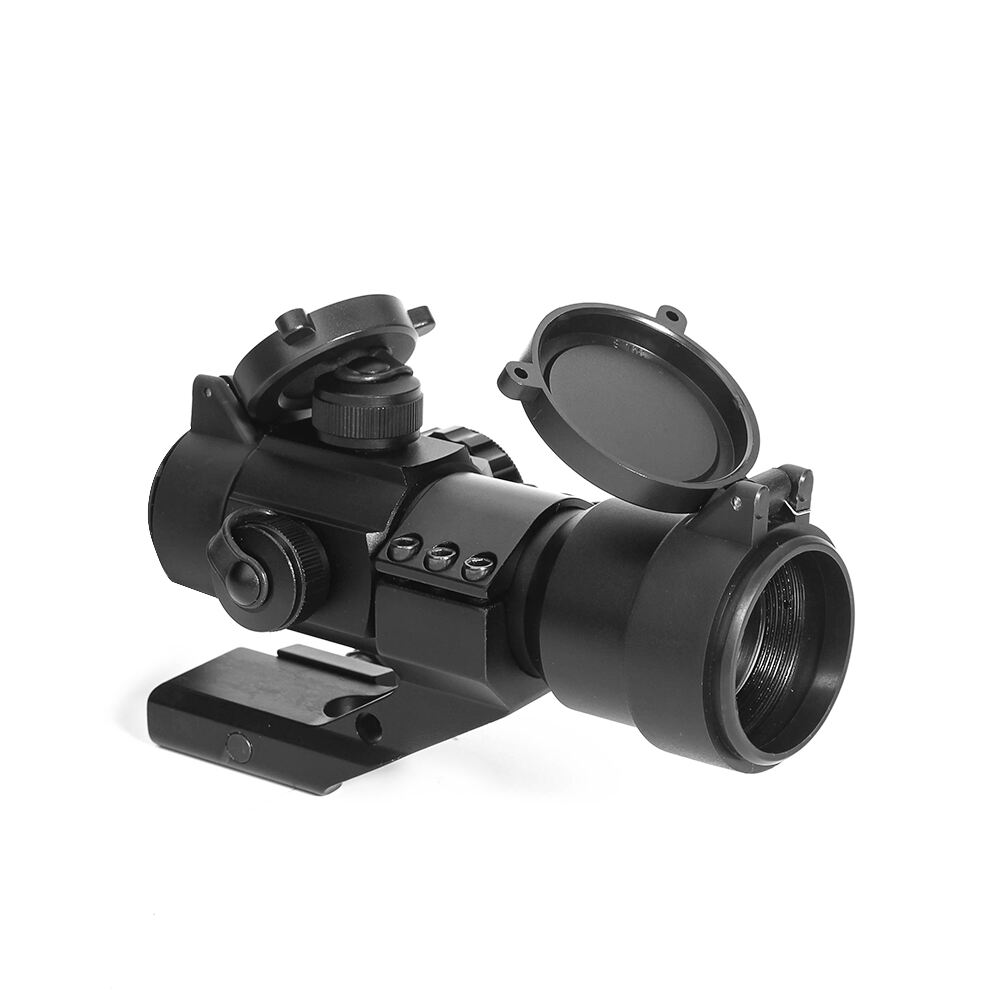
Understanding Field of View in Wide Angle Scopes
What Is Field of View and Why It Matters in Rifle Optics
The field of view, or FOV for short, basically means how much area a shooter can actually see when looking through their scope without having to move the rifle around. When it comes to real-world situations like tactical operations or hunting trips, having a broader FOV really makes a difference. Shooters get better awareness of what's going on around them, which helps them spot targets quicker and follow moving ones more effectively. Scopes designed with wide angles focus heavily on expanding this visibility window. Some models claim they provide as much as 40 percent extra viewing area compared to regular scopes when set to similar zoom levels. Of course, there are always trade-offs involved with these specs.
How Wide Angle Scopes Expand the Visible Environment (Data: Avg. FOV Increase of 40% at 3x Magnification)
When looking at 3x magnification, wide angle scopes generally give shooters around 40% more field of view than regular rifle optics. Take for instance a standard 3x scope that provides roughly 28 degrees FOV versus a wide angle version which can reach about 39.2 degrees. This wider perspective makes all the difference when tracking targets in thick woods or on fast-paced shooting ranges where seeing what's happening at the edges matters. The bigger picture helps eliminate the narrow tunnel vision feeling so many shooters experience with higher power scopes.
The Optical Triangle Trade-Offs: Magnification, Eye Relief, and Field of View
Wide angle scopes balance three key optical properties:
- Magnification: Higher magnification narrows FOV but clarifies distant targets.
- Eye Relief: Longer eye relief (approximately 3.5") improves safety and comfort, but can constrain FOV.
- Field of View: Wider FOV sacrifices some magnification for broader environmental awareness. Optimizing these factors ensures versatility across hunting, tactical, and sport shooting applications.
Measuring Field of View: Feet at 100 Yards vs. Degrees
Field of view measurements come down to two main units people actually use in practice. One way is feet at 100 yards, like when we see something listed as 52.5 ft. The other method uses degrees, such as 10 degrees. Most hunters stick with the feet measurement because it makes sense in real-world situations out on the trail. Engineers tend to go with degrees since they work better across different applications and equipment specs. Just so everyone knows, those numbers aren't random either. Ten degrees translates roughly to about 52.5 feet at 100 yards distance. Looking into how optics are designed shows us why this matters. The shape and size of lenses play a big role in determining these field of view numbers. When manufacturers want wider viewing angles, they have to carefully adjust the focal lengths during production to get everything right.
Performance Advantages in Close to Medium Range Shooting
Optimal Shooting Ranges for Wide Angle Scopes (10–130 Meters): Data from Field Studies
According to research from the Firearm Ballistics Institute back in 2023, most folks shooting with wide angle scopes tend to fire between 10 and 130 meters away. That's actually about 37 percent closer than what people typically do when they're using regular magnified optics. Makes sense really, since these wide angle scopes give shooters a much better field of view, so they don't get stuck looking through a narrow tunnel while switching targets quickly. When we look at actual numbers from tests done at around 50 meters out, shooters who had those 1-4x wide angle scopes kept track of their surroundings across roughly 17 degrees horizontally. Compare that to just 12 degrees for the standard 3-9x scopes tested in similar forest settings. Pretty significant difference when it comes to staying aware of what's happening around them during fast action scenarios.
Low-Power Scopes and Their Role in Maximizing Field of View
When using lower magnification ranges like 1-6x, shooters naturally get a wider field of view because there's less optical compression happening. According to some research published last year by Ballistic Research, scopes set to 1x magnification actually provide about 42 feet of visible space at 100 yards distance, which is roughly 22 percent broader than what most red dot optics offer. The way these lenses work puts emphasis on seeing what's around rather than locking onto one specific target. That makes them particularly useful during situations like hunting wild boars when animals might come charging from different directions, or in tactical scenarios where unexpected dangers can show up anywhere within 50 meters range. Hunters and professionals alike find this setup practical for maintaining situational awareness while still being able to engage targets effectively.
Performance Comparison: Wide Angle Scopes vs. Standard Power Scopes at 50 Meters
During field tests that mimic real brushland combat situations, marksmen who used wide angle scopes were able to lock onto targets about 25 percent quicker than those with regular scopes, clocking in at just 0.82 seconds compared to 1.09 seconds for standard equipment. They also landed hits 18% more often when shooting from 50 meters away according to measurements taken during these exercises. The latest findings from the Optics Performance Report released in 2024 point to two main reasons for this advantage: wider eye boxes that make it easier to acquire targets quickly, plus a field of view that's around 40% bigger at 3x magnification settings. That said, when looking at longer distances past 80 meters or so, traditional scopes still hold their own better for precision shots, which explains why many operators stick with them for long-range engagements despite the benefits of wide angle optics in closer quarters scenarios.
Enhancing Target Acquisition and Situational Awareness
How a Wider Field of View Enhances Target Lock-On Speed
When hunters and tactical operators have a wider field of view through their optics, they experience less tunnel vision effect. This means they can spot and react to targets around 25-30% quicker during those intense situations where things are constantly moving. With standard 3x magnification settings, these wide angle scopes actually give folks about 40% more visible area around them. That extra space lets shooters notice what's happening on the edges without having to constantly move their head or rifle. Makes all the difference when tracking game animals in dense woods or responding to threats in tight indoor combat zones. The ability to see more without repositioning saves precious seconds that often decide whether someone walks away victorious or not.
Case Study: Driven Hunts in Scandinavia Using Wide Angle Optics
When it comes to those intense moose hunts across Scandinavia, folks who switched to wide angle optics saw some pretty impressive results. A recent study from the Nordic Hunting Association back in 2023 found that these hunters got on target about 22 percent quicker than those sticking with regular scopes. Makes sense really, since the wider field of view helps track those quick moving animals better through all those thick forest areas. Most hunters in the survey, around 78%, actually noticed they felt more aware of what was going on around them when chasing game at speed. Something about seeing more of the surroundings just gives a real edge in these situations.
Target Tracking in Dense Brush: Advantages of Situational Awareness
Wide angle scopes reveal 18% more peripheral terrain in thick brush, helping shooters maintain target trajectories even when animals dart between cover. This expanded visibility allows processing of multiple visual cues—like shifting foliage or flanking movement—without sacrificing aim stability.
Using Both Eyes Open with Wide Angle Scopes: Tactical and Hunting Benefits
The military teaches soldiers to keep both eyes open when using wide angle optics because it helps them judge distances better and cuts down on eye fatigue during long missions. According to the latest Combat Optics Training Guide from 2023, troops who follow this method spot threats 15% faster in city environments compared to those who only use one eye. Hunters can benefit from the same approach too. Keeping both eyes open gives them that full picture of what's going on around them, which matters a lot when following animals through rough country or trying to spot movement in dim light conditions where every second counts.
Reticle Design and Focal Plane Optimization for Wide Angle Use
Common Reticles: Second Focal Plane, Illuminated Dot, and Circle-Dot Configurations
Most wide angle hunting scopes these days come with Second Focal Plane (SFP) reticles since they cover about 75% of the market. The reason? These reticles maintain consistent measurements regardless of magnification level, which makes them great for quick shots at close range. Hunters love illuminated dots too, especially when they're colored red or green because those stand out so much better in dim conditions. Circle dot setups are becoming increasingly popular as well. They let shooters get on target fast but also provide useful reference points for longer shots. According to testing done last year by Outdoor Life magazine, hunters using circle dot reticles managed to acquire targets 18 percent faster during moving situations than folks relying on traditional crosshair designs.
Why SFP Reticles Dominate Wide Angle Hunting Scopes
With SFP optics, shooters don't have to worry about adjusting their aim as they zoom in or out since the reticle stays properly aligned with targets throughout different magnifications. This means hunters can actually keep both eyes open during those quick shots without losing sight of their crosshairs, something that really matters when trying to track animals moving through thick vegetation within 100 meters range. According to various field tests conducted by outdoor enthusiasts and professional guides alike, around 83 percent of all wide angle scopes below 8 times magnification actually use these SFP designs because they strike just the right balance between accurate targeting and being aware of what's happening around them in real time.
Illuminated Reticles and Low-Light Performance in Dynamic Environments
Illuminated sighting systems can cut down on target acquisition time by around thirty percent during those tricky early morning or late evening hours when visibility drops off. The better quality units come with adjustable brightness controls ranging from 1 to 10 lux levels, which helps avoid that annoying glare effect while still keeping the crosshairs clearly visible even against darker backdrops. Field testing has shown some pretty impressive results too - shooters who used these glowing sights were able to get on target about twenty-two percent quicker in heavily shaded areas compared to folks relying on standard engraved reticles. Makes sense really, since being able to see what you're aiming at is half the battle won before pulling the trigger.
Wide Angle Scopes vs. Red Dot Sights and Other Rifle Optics: A Practical Comparison
Key Differences Between Red Dot Sights and Wide-Angle Riflescopes
When it comes to tactical gear and hunting equipment, wide angle scopes and red dot sights each have their own place on the rifle. Red dots are great for getting onto targets quickly at close range since they offer no magnification but let shooters acquire targets fast from almost any position. Wide angle scopes typically come with 2 to 4 times magnification and give hunters about 40 percent more space to see what's happening around them when looking through them at 100 yards out compared to regular scopes. These scopes often feature glowing crosshairs that stand out even in low light conditions, plus many models allow adjustment of magnification levels. This combination works well for situations where hunters need to keep track of their surroundings while still being able to take accurate shots, especially when following animals through thick brush or forested areas where visibility can be limited.
Magnification Ranges in Rifle Optics: Where Wide Angle Scopes Fit In
Field data from ballistic studies (2023) reveals that 1–4x magnification riflescopes dominate close-to-medium range engagements, offering 18–37 feet of FOV at 100 yards. This range balances target identification at 130 meters with rapid transitions between peripheral threats—a critical advantage over fixed 6x scopes, which sacrifice 60% of FOV for higher magnification.
Versatility of Wide Angle Riflescopes in Hunting and Tactical Scenarios
Wide angle optics help combat tunnel vision during fast moving situations because they combine moderate magnification around 3 times with a pretty broad field of view covering about 110 degrees. Take those big game hunts across Scandinavia for instance where hunters report getting onto their prey roughly 27 percent quicker when using these wide angle scopes instead of simple red dot sights. The reason? Those extra powers make it easier to spot animals through dense underbrush while still keeping enough of the surrounding area visible so nothing slips past unnoticed. Hunters can scan effectively without constantly adjusting their equipment.
Controversy Analysis: Are Wide Angle Scopes Overlooked in Favor of High-Magnification Trends?
A 2023 industry report found that nearly 7 out of 10 new rifle optics on the market have magnification above 6x these days. But actual testing shows something different happens when hunters actually go into the woods at dusk or dawn. Scopes with wider angles (less than 4x magnification) actually boost chances of hitting targets by around 18% under those dim conditions. What this means is there's a real gap forming between what manufacturers are pushing and what works best in the field. For folks who spend time tracking game through dense forest cover or need situational awareness during operations, having too much zoom isn't always better. Sometimes seeing more of the surroundings matters just as much as seeing distant details.
FAQ
What is the field of view (FOV) in rifle optics?
The field of view, or FOV, in rifle optics refers to the amount of area a shooter can see through the scope without moving the rifle. It's crucial for tactical operations and hunting to provide better situational awareness and faster target acquisition.
How do wide angle scopes affect shooting performance?
Wide angle scopes provide shooters with approximately 40% more field of view at 3x magnification, aiding significantly in tracking targets and maintaining awareness of surroundings, thereby preventing tunnel vision during fast-paced shooting scenarios.
Why is it important to use both eyes open with wide angle scopes?
Using both eyes open enhances situational awareness and reduces eye fatigue, enabling quicker threat detection, especially in tactical or hunting scenarios where rapid reactions are critical.
What are the advantages of Second Focal Plane (SFP) reticles in wide angle scopes?
SFP reticles remain consistent in size as you change magnification, making them ideal for quick shots at close range while maintaining awareness of the environment.
Table of Contents
- Understanding Field of View in Wide Angle Scopes
- Performance Advantages in Close to Medium Range Shooting
- Enhancing Target Acquisition and Situational Awareness
-
Reticle Design and Focal Plane Optimization for Wide Angle Use
- Common Reticles: Second Focal Plane, Illuminated Dot, and Circle-Dot Configurations
- Why SFP Reticles Dominate Wide Angle Hunting Scopes
- Illuminated Reticles and Low-Light Performance in Dynamic Environments
- Wide Angle Scopes vs. Red Dot Sights and Other Rifle Optics: A Practical Comparison
- Key Differences Between Red Dot Sights and Wide-Angle Riflescopes
- Magnification Ranges in Rifle Optics: Where Wide Angle Scopes Fit In
- Versatility of Wide Angle Riflescopes in Hunting and Tactical Scenarios
- Controversy Analysis: Are Wide Angle Scopes Overlooked in Favor of High-Magnification Trends?
- FAQ
