 EN
EN

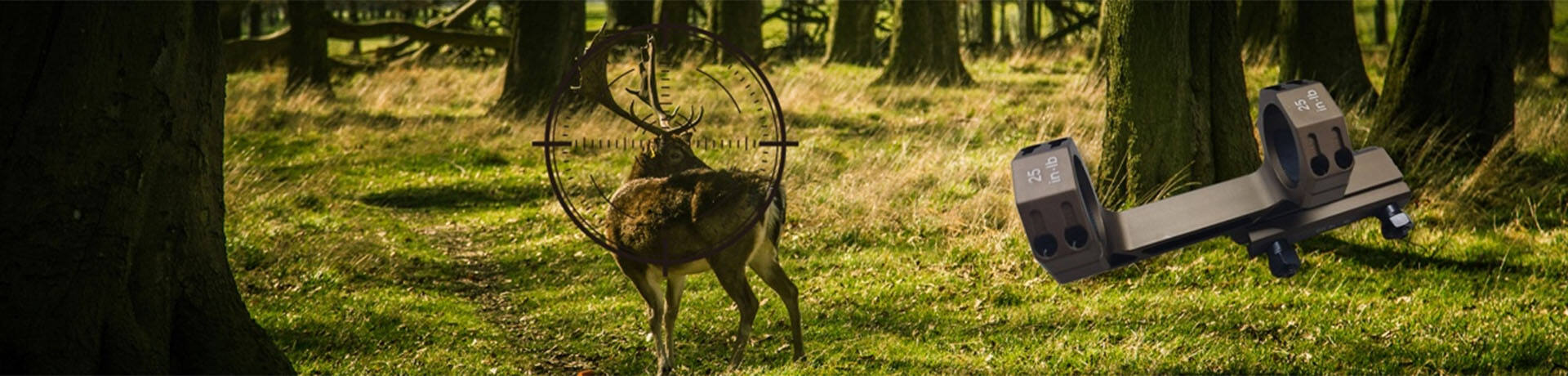
Princip větrnosti a elevace u loveckého zaměřovacího dalekohledu
Co je to větrnost u loveckého zaměřovacího dalekohledu?
Windage v podstatě znamená horizontální úpravy při střelbě, protože střely mají tendenci odklánět se do stran kvůli bočnímu větru nebo pokud není puška držena rovně. Většina loveckých zaměřovacích dalekohledů má takzvaný větrný nonius, obvykle umístěný na pravé straně dalekohledu. Otáčením tohoto knoflíku se nitková síť posune doprava nebo doleva tak, aby odpovídala místu, kde střela skutečně zasáhne cíl. Podle některých balistických výzkumů provedených minulý rok se zhruba dvě třetiny všech netrefených výstřelů ve vzdálenosti nad 200 yardů stávají právě kvůli tomu, že lovec nepřesně nastavil windage. To dává smysl a ukazuje, proč je tak důležité správně nastavit windage pro každého, kdo chce lovit eticky a efektivně.
Co je elevace na loveckém zaměřovacím dalekohledu?
Nastavení elevace pomáhá střelcům kompenzovat přirozený pád střely při jejím pohybu směrem k cíli. Většina zaměřovacích dalekohledů má toto nastavení umístěné přímo na vrchu, kde lze pomocí něj zvednout nebo snížit nitkovou síť, takže výstřely zůstávají na cíli i při změně vzdálenosti. Vezměme si například standardní náboj .308 Winchester – ten může ve vzdálenosti 300 yardů poklesnout o 12 až 18 palců, pokud není dalekohled správně nastaven. Proto moderní optiky nabízejí velmi jemná nastavení, často kolem čtvrtiny MOA na jedno kliknutí. Tyto malé přírůstky umožňují loveckým střelcům a odstřelovačům provádět klíčové mikroúpravy, které rozhodují mezi zásahem a minelem.
Jak vylepšují přesnost střelby nastavovací bubny pro boční směr a elevaci
Přesné výsečové mechanismy umožňují okamžité opravy pomocí slyšitelných a hmatových cvaknutí – jedno cvaknutí obvykle odpovídá 0,25–0,36 palce na 100 yardů, v závislosti na zaměřovacím dalekohledu. Terénní testy ukazují, že myslivci používající dalekohledy s nastavitelnými výsečemi dosahují o 42 % těsnějších skupin zásahů ve srovnání s těmi, kteří spoléhají na pevné nitkové kříže. Mezi klíčové výhody patří:
- Okamžitá kompenzace vlivů prostředí
- Opakovatelná nastavení mezi jednotlivými střeleckými sezeními
- Vyšší pravděpodobnost zásahu při prvním výstřelu v dynamických loveckých situacích
Ovládání nastavení výsečí dalekohledu: MOA vs. MIL pro myslivce
Lovecké dalekohledy spoléhají na přesné systémy výsečí pro kompenzaci vlivů prostředí a vzdálenosti terče. Porozumění měrným systémům MOA (Minute of Angle) a MIL (Miliradián) pomáhá myslivcům provádět přesná nastavení vodorovného i svislého směru podle jejich konkrétního vybavení a podmínek prostředí.
Funkce výsečí dalekohledu vysvětlené pro lovecké aplikace
Lovecké zaměřovače dnes bývají vybaveny dvěma hlavními typy ovládacích koleček: otevřenými, přístupnými a takovými, které mají ochranné kryty. Otevřený styl umožňuje snadné nastavování parametrů přímo na místě, což je velmi praktické při střelbě na vzdálené cíle. Pokud se však někdo pohybuje v drsném terénu, kde může do jeho vybavení něco narazit, provedení s kryty pomáhá udržet nastavení přesně tam, kde má být, a zabraňuje nechtěným posunům. Nejvyšší třídy zařízení dokážou upravovat nastavení po čtvrtinách MOA, což odpovídá rozdílu zhruba čtvrt palce na každých sto yardů střelby. Některé vysoce kvalitní modely podle časopisu Outdoor Life z minulého roku dokonce nabízejí vertikální rozsah nastavení téměř půl šestice palců. Tato úroveň přesnosti umožňuje lidem přizpůsobit svůj záměr bez ohledu na to, v jakém terénu se ocitnou, nebo jak nepředvídatelný vítr na poli zrovna je.
Porozumění hodnotám kliknutí: Rozdíly mezi MOA a MIL
- MOA 1 MOA = 1,047 palce na 100 yardů; většina puškohledů používá ¼ MOA kliknutí (~0,26' na kliknutí).
- MIL : 1 MIL = 3,6 palce na 100 yardů; běžná nastavení jsou po 0,1 MIL (0,36 palce na kliknutí).
MOA dobře spolupracuje s imperiálními jednotkami, což ji činí intuitivní pro měření v yardech, zatímco desítkový systém MIL zjednodušuje výpočty pro uživatele metrické soustavy. Podle balistické analýzy z roku 2023 vyžadují systémy MIL o 27 % méně kliknutí než MOA pro ekvivalentní korekce větru ve vzdálenostech nad 300 yardů.
Volba mezi MOA a MIL pro nastavení větru a elevace
Při výběru zaměřovacího systému nakonec rozhoduje to, co nejlépe funguje s vaším dálkoměrem, balistickou aplikací, kterou používáte, a prostě jen osobním zvykem. Terénní testy z celé západní oblasti ukazují také něco zajímavého: přibližně 58 procent myslivců lovících velkou zvěř zůstává u MOA, protože jsou zvyklí měřit vzdálenosti v yardech. Ti, kdo loví menší zvěř, jako jsou psouni prérioví? Mají tendenci preferovat MIL jednotky, protože umožňují rychlejší úpravy držení mířidla přímo v terénu. A pokud někdo používá více kalibrů na stejném puškařském systému, MIL má tu výhodu, že úhly zůstávají konzistentní bez ohledu na typ střely, která letí směrem k cíli. To dává smysl zejména u střelby na dlouhé vzdálenosti, kde je nejdůležitější přesnost.
Podrobný návod k nastavení nulového bodu loveckého zaměřovacího dalekohledu
Příprava pušky a loveckého dalekohledu na nastavení nulového bodu
Upevněte zbraň na stabilní podložku – 89 % nepřesností při nulování vzniká kvůli špatné stabilizaci (ScopesField 2024). Vyčistěte hlaveň, zkontrolujte utažení kroužků (35–45 in/lbs u většiny modelů) a nastavte paralaxu na vzdálenost terče. Použití svěráku na zbraň a momentového klíče zajistí konzistentní montáž, což je nezbytné pro spolehlivé nulování.
Střelba skupin výstřelů pro vyhodnocení místa zásahu
Vystřelte skupiny po 3–5 ranách na cíl ve vzdálenosti 100 yardů za klidného počasí. Pro interpretaci výsledků použijte tento průvodce:
| Velikost skupiny na 100 yardů | Interpretace | Požadovaná akce |
|---|---|---|
| > 4" | Mechanická závada | Zkontrolujte upevnění a ložení pušky |
| 2"–4" | Nastavení optiky | Pokračujte k doladění ovládacích koleček |
| < 2" | Optimální výkon | Potvrzení na větší vzdálenosti |
Nulování na běžné lovecké vzdálenosti (100, 200, 300 yardů)
- Začněte z 25 yardů pro hrubé nastavení
- Nastavte 8–12 MOA výškového úhlu nahoru (hodnota se liší podle náboje)
- Přesuňte se na 100 yardů a upravujte s přesností 1 MOA ⇐ 1,047 stopa na kliknutí
- Postupujte k 200 a 300 yardům pomocí balistických dat
Pro nulování na 300 yardů většina pušek kalibru .30 potřebuje 27–32 MOA výškového úhlu od základny 100 yardů.
Ověření a potvrzení nulové polohy vašeho zaměřovacího dalekohledu
Po počátečním nulování vystřelte 10 ran ve třech samostatných sezeních – 73 % střelců během této fáze zaznamená posunutí nulové polohy. Otestujte držení na středních vzdálenostech (150, 250 yardů) a proveďte test odstředivé síly 20 rychlými ranami. Po přepravě pušky vždy znovu zkontrolujte nulovou polohu, abyste zajistili spolehlivost v terénu.
Doladění bočního a svislého nastavení pro reálné lovecké podmínky
Provádění přesných nastavení větrného úchylu: Směr a technika
Při střelbě na velké vzdálenosti musí střelci zohlednit vliv větru na dráhu střely. Například při bočním větru o rychlosti 10 mph se očekává, že střela ráže .30 se po uražení vzdálenosti 300 yardů odchýlí od dráhy asi o 6 až 8 palců. Větrný nonius na zaměřovacích zařízeních umožňuje nastavení podle úhlových jednotek MOA, kde každá MOA odpovídá přibližně 1 palci posunu na vzdálenost 100 yardů. Předpokládejme, že střelec zaznamená, že jeho střely dopadají o 4 palce vlevo od cíle ve vzdálenosti 200 yardů. Provede pak opravu tak, že nonius nastaví o dva půl-MOA kroky doprava (za předpokladu standardních nastavení, kdy jedna MOA odpovídá jednomu kliknutí). Je však důležité nespoléhat pouze na výpočty. Po provedení těchto úprav je rozumné vystřelit další kontrolné rány, aby bylo ověřeno, zda opravy skutečně fungují tak, jak bylo zamýšleno, za reálných terénních podmínek.
Nastavení elevace pro kompenzaci poklesu střely na velkou vzdálenost
Střela klesá rychleji, čím dále od střelce letí. Například pokud někdo zanuluje svou pušku na 100 yardů, může zjistit, že potřebuje přibližně 30 MOA vertikální korekce, aby zasáhl cíl ve vzdálenosti 500 yardů. Samozřejmě to hodně závisí také na ráži, kterou právě střílí. Při nastavování optiky by měli střelci pečlivě sledovat označení na nastavovacích bubnech. Každá MOA korekce posune místo zásahu o přibližně palec na každých sto yardů. Takže ve vzdálenosti 500 yardů odpovídá jedna MOA zhruba pěti palcům posunu. A nezapomeňte ani na střelbu do kopce nebo z kopce. Ty vyžadují tzv. kosinovou korekci, při které střelec ve skutečnosti potřebuje menší elevaci než obvykle, protože gravitace působí jinak, když není cíl ve stejné výšce jako pozice střelce.
Zohlednění terénu, větru a dalších prostředíových faktorů
| Faktor | Zohlednění nastavení |
|---|---|
| Nadmořská výška | Vyšší nadmořská výška snižuje hustotu vzduchu; snižte zadání elevace |
| Teplota | Studený vzduch zvyšuje odpor; přidejte 1 MOA na každé 20°F poklesu pod 70°F |
| Nárazy větru | Kompenzujte 0,5–1 MIL pro nepředvídatelné nárazy trvající 3–5 sekund |
Běžné chyby při nastavování loveckého zaměřovacího dalekohledu a jak se jim vyhnout
- Přetočení otočných koleček : Provádějte úpravy po 2–3 cvaknutích, abyste předešli překročení požadované korekce
- Ignorování paralaxy : Odstraňte pohyb mřížky tím, že nastavíte paralaxní ovladač na vzdálenost cíle
- Zanedbání ověření : Ověřte nulovou polohu za reálných podmínek lovu, včetně změn teploty a terénu
Pravidelný trénink s těmito technikami zvyšuje sebejistotu a přesnost a umožňuje efektivně přizpůsobit jakýkoli lovecký zaměřovací dalekohled reálným výzvám.
Často kladené otázky
Jaký je účel nastavení větrné dráhy a elevace na optice?
Nastavení větrné dráhy a elevace pomáhá kompenzovat odchylku způsobenou větrem a pokles střely v důsledku vzdálenosti, čímž zajišťuje přesné zamíření.
V čem se liší MOA a MIL u nastavení optiky?
MOA (Minute of Angle) je založeno na palcích na 100 yardů, zatímco MIL (miliradián) pracuje s metrickým systémem, což zjednodušuje výpočty pro uživatele metrické soustavy.
Proč je důležité nulování optiky?
Nulování sladí vaši optiku s místem dopadu střely, což je klíčové pro přesnost na různé vzdálenosti.
Mohou ovlivnit nastavení optiky i environmentální faktory?
Ano, faktory jako nadmořská výška, teplota a vítr mohou ovlivnit dráhu střely, což vyžaduje úpravu nastavení vaší optiky.
