 EN
EN

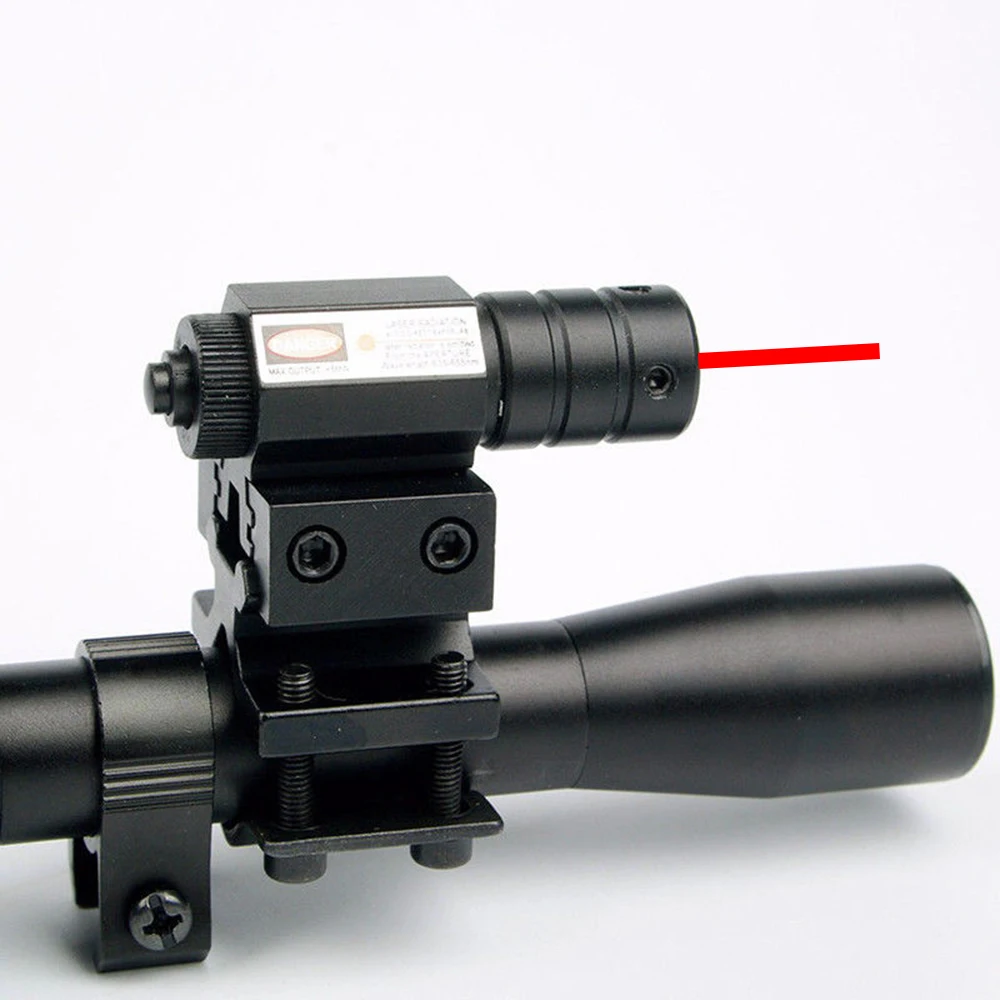
How Laser Sight Technology Works and Its Core Components
While primarily associated with firearms, laser sight applications beyond firearms now enable precision tasks from surgical procedures to satellite alignment. This technology leverages concentrated light beams to create visible reference points or invisible targeting markers across diverse environments.
How laser sight technology works in non-firearm contexts
In factories across the country, manufacturers rely on Class 1 and 2 eye-safe lasers to direct robotic arms during car production and to position parts correctly when building bridges. Outdoors, surveyors depend on those bright green laser beams that can be seen even in sunlight for their grading work. Meanwhile doctors are putting similar technology to work inside operating rooms where they need pinpoint accuracy for delicate procedures. These laser systems aren't like what we see in military applications where speed matters most. Instead, industrial versions focus on staying accurate for long periods. Some models keep within just 0.1 millimeter of error throughout an entire 8 hour shift without missing a beat, which makes all the difference in quality control for precision manufacturing tasks.
Core components of modern laser targeting systems
All laser targeting systems contain three essential elements:
- Emitter modules: Generate coherent light through diode-pumped crystals or gas excitation
- Optical controllers: Shape and focus beams using aspheric lenses and diffractive elements
- Feedback sensors: Monitor beam position using CMOS detectors and auto-correction algorithms
Recent industrial automation studies reveal that 78% of professional-grade systems now integrate inertial measurement units (IMUs) to compensate for platform vibrations—a critical feature in mobile applications like autonomous farming equipment.
The evolution from firearm sights to multi-domain applications
What started as military tech for sniper rifle calibration is now being used to fine tune telescope arrays at observatories around the world. The same pulsed laser tech developed for firearms applications has found new life in archaeology sites where it creates detailed 3D maps of excavation areas. Foundries dealing with temperatures over 1,200 degrees Celsius benefit from thermal compensation techniques first tested on battlefields. These industry crossovers have really cut down on parts expenses too. Since about 2018 we've seen component prices drop by roughly forty percent, which means companies can now afford high precision laser systems for things like commercial drones and city planning initiatives without breaking the bank.
Precision Alignment in Manufacturing Using Laser Aiming Systems
In today's manufacturing plants, laser alignment systems are making it possible to hit precision levels down to the micrometer, especially when putting together parts for cars and airplanes. The technology works by projecting reference lines that are accurate within 0.02mm, which means engine components and sections of airplane bodies can be positioned almost perfectly without errors. When we compare these laser guided approaches to old fashioned manual methods, there's a noticeable difference. Factories report around 37% fewer assembly mistakes and production times that speed up by nearly 30%. For manufacturers dealing with tight tolerances and complex assemblies, this kind of improvement makes all the difference in quality control and overall efficiency.
Laser-Based Measurement in Construction and Surveying
On big infrastructure jobs such as placing bridge beams or operating tunnel boring machines, construction crews now rely on laser rangefinders that can measure within just 0.1mm accuracy. These devices work well even when dealing with materials around 25mm thick, keeping accurate measurements consistent over distances stretching several kilometers. What's really changing things lately is the ability to create 3D maps showing how structures change (deform) in real time. This has pretty much taken over from old fashioned theodolites on most major projects these days. About two thirds of all large scale construction efforts have made this switch already according to recent industry reports.
Case Study: Automotive Assembly Line Optimization With Laser Guidance
A European automaker redesigned its chassis assembly process using laser-guided robotic arms, achieving:
- 52% reduction in component misalignment incidents
- 19-second improvement per vehicle in assembly time
- 41% decrease in post-production quality audits
The system’s automated error correction adjusted weld points within 0.003 seconds of deviation detection, eliminating human recalibration needs.
Integration With Smart Systems and IoT for Real-Time Monitoring
Laser alignment sensors now feed data directly into predictive maintenance platforms. This integration enables:
- Vibration pattern analysis to preempt laser module failures
- Thermal compensation adjustments based on environmental sensors
- Automated calibration updates via cloud-based algorithms
Manufacturers report 23% fewer production stoppages after implementing these connected laser systems compared to standalone units.
Military and Defense Uses Beyond Firearm Aiming
Laser Rangefinders and Target Designators in Reconnaissance
Today's armed forces rely heavily on laser sighting tech to keep tabs on what's happening on the battlefield with pinpoint accuracy. The rangefinders that use Class 1M lasers are actually safe for eyes during normal operation and can measure distances in real time out to about 20 kilometers, give or take a meter. This kind of precision makes it much easier to lock onto targets quickly when different military units need to work together. When paired with infrared markers, these laser systems help guide bombs and drones accurately while keeping soldiers at a safer distance from danger zones.
Directed Energy Systems and Defensive Countermeasures
According to the DoD's 2023 Directed Energy Portfolio report, naval ships are now equipped with these powerful 150 kW laser interceptors. Field testing shows they successfully take down approaching drones and mortar attacks around 97% of the time. The technology actually borrows some ideas from older laser sight systems used on firearms but applies them to keep the laser beam focused even when weather conditions mess with it. This kind of improvement matters a lot for securing our military outposts and important facilities located near conflict zones where traditional defenses might struggle against fast moving threats.
Non-Firearm Applications of Laser Aiming Systems in Soldier Training Simulators
Combat training platforms like the EST 3000 (Engagement Skills Trainer) use low-power 520nm green lasers to simulate weapon engagements without live ammunition. Trainees receive instant feedback on shot placement through sensor-embedded targets, improving marksmanship proficiency by 41% compared to traditional methods (RAND Corporation 2022 analysis).
Laser-Based Perimeter Security and Intrusion Detection
Modern perimeter defense systems are increasingly using LIDAR technology to spot intrusions down to just 2 centimeters apart across full 360 degree monitoring areas. The real game changer comes when these systems work alongside automated alert mechanisms. Studies show they cut down on false alarms by around 83 percent compared to traditional motion detectors. Plus, they fit right into what most bases already have for security setups. This kind of improvement wasn't just theory either. During the NATO Coastal Shield drills last year, commanders saw firsthand how much better these upgraded systems performed in real world conditions.
From reconnaissance to base defense, military-grade laser targeting systems now enable force protection and strategic advantage without direct firearm integration, reshaping modern defense paradigms through precision engineering and multi-domain interoperability.
Commercial and Consumer Innovations in Laser Sighting Technology
Laser Pointers and Presentation Tools Enhanced by Sighting Precision
Laser sighting tech has completely changed how we use simple pointers these days. These devices now offer alignment precision down to 0.1 mm, which lets architects point out tiny details on construction plans and helps teachers emphasize specific parts of diagrams during lessons. According to a study published in the Optics Education Journal last year, classrooms using lasers saw about a 40 percent boost in student attention levels when compared to old fashioned chalk talks or marker boards. And get this – the latest green laser models can be seen clearly even outside during the day, beating standard red lasers by roughly eight times in terms of visibility.
Augmented Reality Interfaces Using Laser Projection Systems
Laser-based AR systems now project holographic overlays with 200% brighter contrast ratios than LED alternatives, creating visible augmented interfaces even in direct sunlight. These systems power retail virtual try-ons and museum exhibits, using eye-tracking lasers to adjust projections in real time based on viewer positioning.
Smart Home Integration: Laser Motion Tracking for Automation
Residential automation systems employ low-power laser grids to detect sub-centimeter movements, enabling features like:
- Intrusion detection mapping window vibrations at 0.5mm sensitivity
- Energy optimization tracking body heat signatures to control HVAC zones
- Gesture control interpreting hand motions through refractive pattern analysis
A 2023 smart home adoption study found laser-equipped systems reduce false motion alerts by 63% compared to infrared sensors, though proper calibration remains critical to avoid interference from pet movements.
Future Trends and Challenges in Laser Sight Technology Development
The laser sight technology landscape is evolving rapidly, with manufacturers pushing the boundaries of precision and functionality across industries. Four key developments are shaping next-generation systems while presenting unique implementation challenges.
Miniaturization and Power Efficiency in Portable Laser Systems
Advances in semiconductor materials are enabling increasingly compact laser diodes without sacrificing performance, with new cooling systems extending battery life in portable applications. Engineers are prioritizing energy-efficient designs that maintain output stability while reducing thermal waste.
AI-Driven Adaptive Laser Targeting Algorithms
Machine learning algorithms now automatically adjust for environmental factors like humidity and motion, significantly improving targeting consistency across variable conditions. These systems analyze real-time data streams to optimize beam focus and alignment, particularly valuable in dynamic industrial environments.
Quantum-Enabled Laser Sensing and Its Potential Impact
Quantum-enhanced systems utilize photon entanglement principles to achieve unprecedented measurement sensitivity, opening possibilities in materials science and secure communications. Early prototypes demonstrate capabilities for sub-micron defect detection in manufacturing and ultra-secure optical data transmission.
Balancing Innovation With Regulatory Safety Standards
The push for higher-power lasers necessitates advanced safety protocols, with industry research demonstrating effective AI-driven exposure control systems that maintain both performance and regulatory compliance. Developers face growing pressure to harmonize cutting-edge capabilities with international eye-safety standards and electromagnetic interference regulations.
FAQs
1. What are the primary components of a laser targeting system?
Laser targeting systems consist of emitter modules, optical controllers, and feedback sensors. These components work together to generate, shape, and monitor laser beams.
2. How has laser technology adapted for non-firearm applications?
Laser technology is now used in various fields such as manufacturing, medical surgeries, and construction, providing precision and reducing errors significantly.
3. In what ways has laser sight technology contributed to military advancements?
Laser sight technology is utilized for target identification, reconnaissance, and defense. Military applications include laser rangefinders, directed energy systems, and training simulators.
4. What are some future trends in laser sight technology development?
Future trends include miniaturization, AI-driven targeting algorithms, quantum-enhanced sensing, and balancing innovation with safety standards to expand laser applications responsibly.
Table of Contents
- How Laser Sight Technology Works and Its Core Components
- Precision Alignment in Manufacturing Using Laser Aiming Systems
- Laser-Based Measurement in Construction and Surveying
- Case Study: Automotive Assembly Line Optimization With Laser Guidance
- Integration With Smart Systems and IoT for Real-Time Monitoring
- Military and Defense Uses Beyond Firearm Aiming
- Commercial and Consumer Innovations in Laser Sighting Technology
- Future Trends and Challenges in Laser Sight Technology Development
- FAQs
