 EN
EN

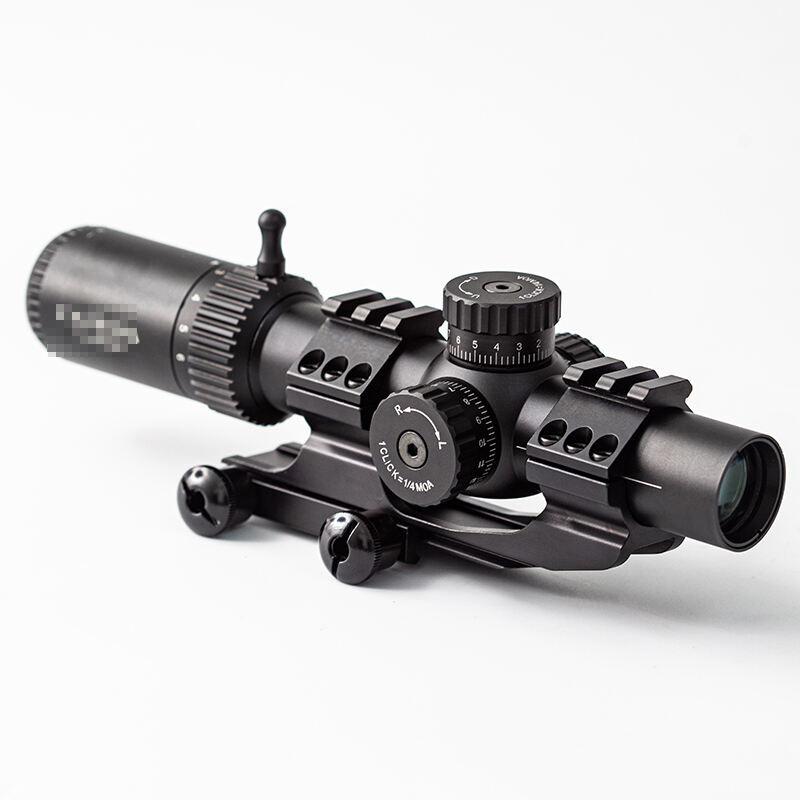
How Caliber Performance Influences Scope Durability and Design
Why Cartridge Power Demands Rugged Optical Construction
When firing high energy cartridges, shooters often deal with recoil forces over 30 foot pounds according to Firearm Optic Research Group data from 2023. This means regular optics just won't cut it anymore. Most standard hunting scopes can handle around 1500 g forces before failing, but newer models designed for magnum calibers come equipped with special double spring erector systems that stand up to well over 2800 g forces. Keeping the scope on target after repeated shots has become a priority for manufacturers. Many engineers are turning to nitrogen sealed housings these days along with aircraft grade aluminum alloys. These materials help keep water out and reduce bending when subjected to intense shocks during rapid firing sequences.
Recoil Impact: Comparing .300 Win Mag and .223 Remington on Optics
The .300 Winchester Magnum delivers 27.8 ft-lbs of recoil energy—seven times greater than the .223 Remington's 3.9 ft-lbs (Ballistic Performance Index 2023). This disparity requires distinct optical solutions:
| Feature | .300 Win Mag Requirement | .223 Remington Standard |
|---|---|---|
| Tube Wall Thickness | 0.125" | 0.085" |
| Internal Shock Absorbers | Dual-stage dampers | Single-stage springs |
| Turret Lock Mechanism | Positive-click locking | Friction-based |
Key Features to Look for in Shock-Resistant Scopes for High-Power Calibers
- Baffled Objective Lenses: Prevents lens shift during concussive recoil events
- Torque-Limiting Turret Caps: Reduce accidental adjustments by 40% in field tests
- Unibody Scope Tubes: Machined from 6061-T6 aluminum to eliminate weak points at mounting interfaces
Trends in Optic Hardening for Magnum and Long-Range Cartridges
Recent advancements include diamond-like carbon (DLC) coatings on internal gears, improving wear resistance by 62% (Precision Optics Journal 2023). Nightforce's new 34mm main tubes allow 150 MOA adjustment range—critical for .338 Lapua shooters compensating for bullet drop at 3,000+ yards.
Mounting Solutions That Enhance Stability Under Repeated Recoil
Tapered Picatinny bases with 20 MOA cant reduce stress on scope rings during magnum recoil cycles. Bedded steel ring systems demonstrate 91% less zero shift compared to aluminum alternatives in .50 BMG applications, according to long-range shooting specialists at Ballistic Technology Institute.
Matching Magnification and Reticle Type to Ballistic Performance by Caliber
Understanding How BC and Muzzle Velocity Affect Scope Magnification Needs
The BC rating of a bullet along with its initial speed out of the barrel plays a big role in figuring out what kind of scope magnification makes sense. Bullets with high BC values, such as the ones found in the 7mm Rem Mag cartridge, hold onto their energy much longer when shooting at long distances. That means shooters can often get away with scopes in the 10 to 16 power range for making accurate shots. On the flip side, cartridges that don't push bullets quite so fast below around 2,700 feet per second need scopes with broader fields of view since they drop more quickly downrange. Take the .308 Winchester for instance it needs about 14 times magnification to stay clear at 800 yards. Compare that to a faster moving 6.5 Creedmoor going 3,000 fps which manages the same level of accuracy with just 12 power because it doesn't curve downward as much according to recent ballistics data from last year's performance reports.
Optimal Zoom Ranges for .308, 7mm, and .300 Win Mag in Real-World Hunting
| Caliber | Effective Hunting Range | Ideal Magnification | Use Case |
|---|---|---|---|
| .308 Winchester | 600 yards | 3-12x | Wooded terrain/stalking |
| 7mm Rem Mag | 800 yards | 5-20x | Mountainous/open areas |
| .300 Win Mag | 1,200+ yards | 6-24x | Extreme long-range |
Hunters using .300 Win Mag for elk at 1,000 yards often pair it with 18–24x scopes to spot vital zones, while .308 users in dense forests prioritize 3–9x for rapid target acquisition.
First vs. Second Focal Plane: Choosing the Right Reticle Plane for Your Caliber
When it comes to first focal plane (FFP) reticles, they actually change size as the magnification changes, which is why many folks who shoot long range stuff like .300 PRC really like them. At 20 times zoom or higher, those holdover marks stay accurate no matter what setting you're on. On the flip side, second focal plane (SFP) scopes are all over the place in hunting situations. Take someone shooting a 7mm Rem Mag with around 10 power magnification, their subtension measurements work consistently across different ranges without needing to constantly adjust for the magnification level. According to a recent 2024 survey on optics preferences, about two thirds of competitive shooters go for FFP models. But when looking at hunters specifically, roughly 8 out of 10 still stick with SFP because it just makes things simpler in the field where quick decisions matter most.
BDC, Mil-Dot, and Christmas Tree Reticles: Matching Pattern to Ballistic Profile
- BDC (Bullet Drop Compensator): Pre-calibrated for cartridges like .223 Remington or 6.5 Creedmoor; excels in quick shot scenarios under 500 yards.
- Mil-Dot: Versatile for handloaders using variable-charge .300 Win Mag rounds; enables accurate holdovers across diverse environments.
- Christmas Tree: Provides windage and elevation marks for high-BC 7mm bullets at 1,000+ yards, reducing turret adjustments during competitions.
A study comparing reticle effectiveness (2023 Long-Range Shooting Journal) showed Christmas Tree patterns improved hit rates by 23% for magnum calibers beyond 800 yards over standard duplex designs.
Adjustability and Precision: Turrets, Elevation Travel, and Environmental Compensation
MOA vs MRAD: Selecting the Right Adjustment System for Your Caliber and Range
When deciding between MOA (Minute of Angle) and MRAD (Milliradian), shooters need to consider their specific rifle's ballistics and how far they typically engage targets. MOA provides smaller adjustments of about 0.25 inches per click at 100 yards, making it well suited for common hunting rounds like the .308 Winchester. On the other hand, MRAD works off metric measurements with 0.1 mil adjustments equaling roughly 3.6 inches at 100 yards. This makes MRAD particularly effective for longer shots with calibers such as the 6.5 Creedmoor, especially when quick windage changes matter most during competition or extended range shooting sessions. According to research published in the 2023 Long Range Shooting Journal, shooters using MRAD scopes were able to get back on target about 23 percent quicker past 800 yards than those relying on MOA systems, though results can vary based on individual skill levels and environmental conditions.
| System | Click Value (100 yd) | Best Use Case | Caliber Examples |
|---|---|---|---|
| MOA | 0.25" | Hunting <500 yd | .308 Win, .30-06 |
| MRAD | 3.6" | Precision >800 yd | 6.5 CM, .300 PRC |
Total Elevation Adjustment Requirements for Extended Ranges with .300 Win Mag
Magnum cartridges packing serious power, such as the .300 Winchester Magnum, really put a strain on rifle scopes. These big bores need optics with at least 100 MOA of elevation adjustment to handle all that bullet drop when shooting out to long ranges. Take it out to 1,500 yards and we're talking about a massive 450 inches of drop according to Applied Ballistics research from last year. That means finding a scope that can track accurately across 28 or more mils of vertical movement. Most shooters in this category are gravitating toward 34mm main tube scopes these days. They give about 15% extra room inside compared to older 30mm models, which makes a real difference when dialing in those extreme shots. The Optic Performance Report confirmed this trend back in 2022, showing why so many hunters and competitive shooters have made the switch.
Tube Diameter and Internal Travel: Aligning Adjustability with Bullet Drop
Bigger scopes with 34mm and 35mm tube sizes offer expanded elevation and windage adjustment ranges because they can fit taller erector assemblies. This matters quite a bit when comparing flat base .30-06 bullets that drop around 1,400 feet per second at 500 yards against the sleeker .300 Norma Magnum projectiles which maintain speeds above 2,700 fps. According to recent field testing published in the Precision Shooting Journal back in 2023, those larger diameter tubes actually give about 22 percent more usable elevation adjustment space. For hunters tracking game through mountains or competitive shooters participating in long range matches, this extra room means they won't run into problems where their scope adjustments hit maximum limits before reaching target distances.
Eye Relief and Mounting Considerations for High-Recoil Caliber Systems
The Critical Role of Eye Relief in Preventing Injury with Magnum Rounds
When mounting optics on powerful rounds like the .300 Win Mag or 7mm Rem Mag, shooters need around 3.5 inches of eye relief to stay safe from facial injuries caused by strong recoil. Most top brands stick to this safety standard for good reason. According to research published last year, scopes offering less than 90mm of space between lens and brow actually raised the risk of scope bite injuries by about two thirds when shooting those big magnum cartridges. For anyone who shoots these rifles regularly, investing in scopes with reinforced eyepieces and those rubbery collar things makes all the difference. They absorb some of that punishing kick while still letting shooters maintain clear sight pictures even after multiple fast shots downrange.
Best Practices for Scope Mounting to Maximize Safety and Consistency
| Component | Specification | High-Caliber Application |
|---|---|---|
| Ring Torque | 18–20 in/lbs (steel) | Prevents slippage under 40+ ft/lbs recoil |
| Base Screws | 35–45 in/lbs (grade 8 hardware) | Maintains rail alignment |
| Anti-Cant Devices | 1° sensitivity | Critical for long-range magnums |
Recent field testing demonstrated that properly torqued mounts with alignment rods reduced point-of-impact shift by 82% on .338 Lapua rifles. Always use thread-locking compounds on fasteners and validate concentricity with bore lasers before live-fire testing.
Hunting and Shooting Environment: How Terrain Influences Setup Choices
When hunting on steep slopes, hunters should consider using scope mounts angled at around 15 to 20 degrees to keep their eyes properly aligned with the target. These kinds of mounts made a real difference in field tests last year, cutting down missed shots by about three quarters during backcountry hunts. In colder climates, it's important to go for mounting systems that work with lubricants rated for temperatures as low as minus 40 degrees Fahrenheit. Regular grease just doesn't cut it when things freeze up, according to the Polar Ballistics Report from 2023, where they found standard greases failed way more often in freezing conditions. Getting the right parallax adjustment for different terrains matters too. Most folks find that fixed 50 yard settings work pretty well in thick woods areas, whereas those big caliber rifles used in open country really benefit from adjustable systems covering anywhere from 100 to 1,000 yards depending on what kind of shot they're expecting.
FAQ
Why do scopes need to withstand high g-forces?
Scopes need to withstand high g-forces because they are subject to intense shock and recoil when shooting high energy cartridges. These forces can displace or damage standard optics, hence the necessity for durable construction capable of withstanding up to 2800 g forces.
What is the difference in recoil impact between .300 Win Mag and .223 Remington?
The .300 Win Mag exerts significantly more recoil, delivering 27.8 ft-lbs of energy compared to the .223 Remington's 3.9 ft-lbs. This means it needs more robust and specialized scopes to handle the stronger recoil forces.
What are the advantages of using a Mil-Dot reticle?
Mil-Dot reticles are versatile and allow for accurate holdovers across different environments. They're particularly useful for handloaders using variable-charge rounds, such as the .300 Win Mag, to adapt to diverse shooting conditions.
How does tube diameter affect scope adjustability?
Larger tube diameters, such as 34mm and 35mm, offer more internal space for elevation and windage adjustments. This is crucial when compensating for significant bullet drop in long-range shooting scenarios, as it expands the range of adjustments possible.
What factors are critical when mounting scopes on high-recoil rifles?
Key factors include ensuring adequate eye relief, using the correct torque settings for rings and base screws, and employing anti-cant devices for accuracy. These measures help prevent injury and maintain a consistent point of impact under high recoil.
Table of Contents
-
How Caliber Performance Influences Scope Durability and Design
- Why Cartridge Power Demands Rugged Optical Construction
- Recoil Impact: Comparing .300 Win Mag and .223 Remington on Optics
- Key Features to Look for in Shock-Resistant Scopes for High-Power Calibers
- Trends in Optic Hardening for Magnum and Long-Range Cartridges
- Mounting Solutions That Enhance Stability Under Repeated Recoil
-
Matching Magnification and Reticle Type to Ballistic Performance by Caliber
- Understanding How BC and Muzzle Velocity Affect Scope Magnification Needs
- Optimal Zoom Ranges for .308, 7mm, and .300 Win Mag in Real-World Hunting
- First vs. Second Focal Plane: Choosing the Right Reticle Plane for Your Caliber
- BDC, Mil-Dot, and Christmas Tree Reticles: Matching Pattern to Ballistic Profile
- Adjustability and Precision: Turrets, Elevation Travel, and Environmental Compensation
- Eye Relief and Mounting Considerations for High-Recoil Caliber Systems
-
FAQ
- Why do scopes need to withstand high g-forces?
- What is the difference in recoil impact between .300 Win Mag and .223 Remington?
- What are the advantages of using a Mil-Dot reticle?
- How does tube diameter affect scope adjustability?
- What factors are critical when mounting scopes on high-recoil rifles?
