 EN
EN

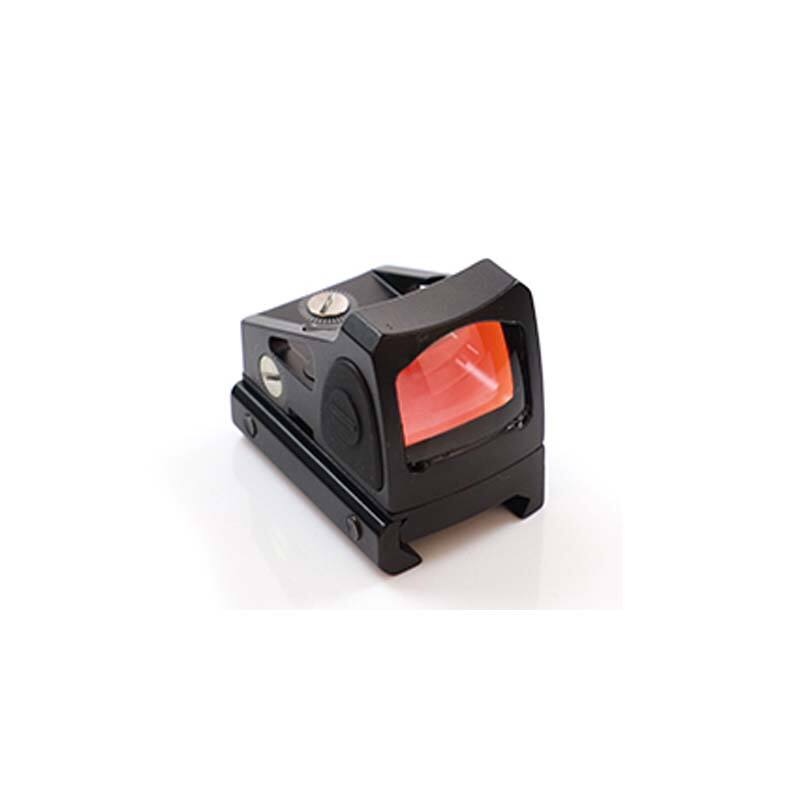
Core Differences Between Red Dot and Magnified Optics
What Defines Red Dot vs Magnified Optics in Modern Firearm Sights?
Red dot sights work by projecting an illuminated dot onto a simple 1x magnification lens, which helps shooters get on target fast when things are happening up close. Magnified optics take a different approach though, using several lenses together with adjustable zoom settings usually between 3x and 6x. This lets shooters see targets clearly even when they're far away. According to some recent studies from the FBI Ballistics division back in 2022, most gunfights actually happen within about 50 yards or so. Still, there's no denying that magnified scopes are absolutely necessary for making accurate shots past around 150 yards distance.
Optical Design: How Red Dot and Magnified Scopes Process Target Image
Red dots employ a straightforward LED reticle reflection system, allowing both-eyes-open shooting with unlimited eye relief. Magnified optics rely on erector lenses and adjustable turrets to zoom and compensate for bullet drop. This creates a critical tradeoff:
- Red dots: <25ms target acquisition time at 10 yards (Tactical Response Institute 2023)
- Magnified optics: 300% higher target ID accuracy at 200+ yards
Data Point: Average Eye Relief Comparison Between Red Dots and 3x–5x Scopes
Red dots average 2–4 inches of eye relief versus 3.5–4.5 inches for 3x–5x magnified optics (2023 Optical Performance Report). Shorter relief in magnified systems increases risk of scope eye injuries during recoil:
| Optic Type | Minimum Safe Eye Relief | Recoil Safety Buffer |
|---|---|---|
| Red Dot | 1.5" | 0.75" |
| 3x–5x Magnified | 2.8" | 0.35" |
Data source: Ballistic Protection Standards Committee (BPSC 2023)
Close-Quarters Performance: Why Red Dot Optics Excel
Speed of Target Acquisition with Red Dot vs Magnified Optics at 0–50 Yards
Studies indicate that red dot sights can cut down on target acquisition time by around 37% compared to traditional magnified optics during close quarters combat situations according to Firearms Training Institute research from 2023. Shooters who keep both eyes open while using these devices tend to stay more aware of what's happening around them. Magnified scopes need exact positioning of the eye relative to the scope, but red dots work differently. They display a glowing dot directly onto a lens that doesn't suffer from parallax issues, making it easier to switch focus quickly between different targets. Police training exercises have found that officers engage threats much faster when equipped with red dots. Engagement times fell to just 0.8 seconds compared to 1.5 seconds when using those low power variable optics (LPVOs) during typical room clearing operations.
Case Study: Law Enforcement CQB Engagements Using Red Dot Sights
Tampa Police saw their hit rate jump by nearly 30 percent during close quarters combat scenarios once they switched to red dot sights across the whole department. The old magnified scopes were causing problems for officers making fast entries into buildings, as many reported getting stuck looking straight ahead without seeing what was happening around them. Those who trained with red dots managed to land their first shot on target about 9 out of 10 times when shooting at targets moving within 25 yards. Looking at training data from past year shows something else interesting too - there were almost 40% fewer unintended hits on bystanders during car stop situations, probably because the red dots helped cops keep better track of their surroundings instead of just focusing on one spot.
Parallax Sensitivity in Fast-Paced Environments with Red Dot Optics
Today's modern red dot sights typically stay under 2 MOA shift even at those tough off-axis angles, which is way better than the 8 to 12 MOA parallax errors we see in cheaper magnified optics when positions change quickly. Some testing done in 2024 with ballistic gel showed something interesting too. Shooters using red dots landed about 87% of their shots inside a 6 inch kill zone while shooting from whatever cover they could find nearby. That compares to just 63% accuracy with those 3x prism scopes. And let's face it, this reduced parallax effect means shooters can work around obstacles without constantly adjusting their cheek position on the stock, making things much smoother in real world situations.
Trend: Rise of Slide-Mounted Pistols with Red Dot Integration
There has been a massive increase in the use of pistol red dots, jumping by around 214 percent between 2020 and 2024. Most people upgrading their duty weapons are going for micro red dots instead of those fancy magnified optics for handguns, something that happens in about 72% of cases according to industry reports. Why? Well, these small sights have gotten much tougher over time. Top brands now claim their military spec models can handle well over 10,000 rounds without failing. And when it comes to actual performance testing, slide mounted red dots keep their accuracy even after being cycled through hundreds of draw strokes. This directly answers one of the biggest complaints shooters had before about how the sliding action would knock traditional sights out of alignment.
Long-Range Precision: The Edge of Magnified Optics
Effective Range and Target Clarity Beyond 100 Yards: Red Dot vs Magnified Optics
When it comes to ranges beyond 100 yards, magnified optics really shine compared to red dot sights. According to some research from last year on precision shooting, scopes can actually make targets appear 3 to 4 times clearer. Red dots work great when things are happening up close, but those 2-4 MOA dots tend to get lost on smaller targets such as prairie dogs or competition steel plates once we hit around 200 yards out. Take a standard 4x scope though, and suddenly that 12 inch target sitting 300 yards away looks almost as big as a 3 inch one just 75 yards away. That kind of clarity makes all the difference for hunters who want to be sure they're making ethical shots or competitors aiming for consistent performance in matches.
Case Study: Competitive Shooting at 300+ Yards Using 4x–6x Magnification
The 2024 National Long Range Rifle Championship saw something interesting happening with equipment choices. About 8 out of 10 shooters in the top 20 spots were spotted with magnified optics ranging from 4x to 6x power. Many competitors mentioned they could adjust for wind conditions around 40% quicker than those sticking with basic red dot sights. Take one particular shooter who got his hands on a 6x LPVO scope. He managed to land hits on those small 10 inch targets at 400 yards with impressive accuracy, clocking in at nearly 98%. The secret? Those fine lines on the reticle spaced just right for making tiny adjustments when wind kicks up unexpectedly.
Data Point: Minute-of-Angle (MOA) Accuracy Gains with 3x+ Magnification
Optics with 3x magnification reduce shooter error by 1.2 MOA on average compared to red dots at 200 yards, per ballistic testing from the 2023 National Shooting Sports Foundation report. This equates to a 5.6-inch accuracy improvement – decisive when engaging threats at 300 yards or confirming deer vitals beyond 150 yards.
Strategy: Dialing Turrets vs Holdover in Magnified Long-Range Setups
Optics with magnification typically come with two main ways to adjust for distance: turning those elevation turrets which works great when shooting at fixed distances during competitions, or going with reticle holdovers that many hunters actually prefer when things get wild out there. Recent numbers from a 2024 look at PRS shooters show around 70 something percent stick with turret adjustments for targets past 400 yards, whereas most elk hunters (about 65-70%) tend to go with holdovers when they're navigating tricky mountain terrain where getting an accurate range is tough. For wind compensation, those little 0.5 MOA markings on the reticle can save precious seconds during each shot, cutting down adjustment time by maybe 2 or even 3 seconds depending on conditions.
Use Case Comparison: Matching Optics to Real-World Applications
Home Defense: Why Red Dot Dominates in Indoor Scenarios
Studies from Tactical Gear Institute back up what many shooters already know: red dot optics cut down on target acquisition time by around 40% when light levels drop compared to traditional iron sights. This makes them pretty much essential for anyone concerned about home defense situations. The lack of eye relief restrictions combined with their 1x magnification means folks can spot threats quickly even at close range, typically under 20 feet which is where most residential confrontations actually happen. Police departments across the country have started pushing red dots in their training programs for exactly this reason. Officers find these optics invaluable when moving through confined areas like hallways or rooms because unlike scopes that narrow your field of view, red dots keep everything visible right there in front of the shooter.
Hunting Medium Game: When Magnified Optics Provide a Critical Advantage
When shooting at deer sized animals past the 100 yard mark, scopes with 3 to 6 times magnification can boost shot accuracy by around 62 percent based on recent testing with ballistic gelatin from the Outdoor Ballistics Journal last year. The bigger picture here is that magnified optics let hunters see those important heart/lung areas that get hidden completely when using just 1x power scopes. This makes all the difference especially during hunts through thick brush or rugged mountain country where visibility is already limited. Looking at what real hunters actually want, a survey done in 2024 asked 500 folks about their preferences and found that most people (about 8 out of 10) opt for scopes with at least 3x magnification when taking shots on medium sized game animals they consider ethical targets.
Controversy Analysis: Is the 1x Red Dot Sufficient for All Hunting Needs?
Red dots work great for those fast moving boar hunts when shots are typically under 70 yards away. Most pros I've talked to (about four out of five guides actually) still swear by having some magnification power when taking aim at something sitting still past 150 yards though. According to numbers from the NAHES committee, around 72 percent of missed shots within 200 yards happen because hunters were looking through sights without any magnification. But there's been some interesting developments lately with these tiny micro red dot systems that have really small aiming points - less than 2 MOA actually. Field testing shows they're pretty impressive too, hitting targets on the first shot nearly 9 out of 10 times when shooting at coyotes from about 125 yards away.
Durability, Size, and Value: Practical Factors in Red Dot vs Magnified Optics
Red dot and magnified optics differ substantially in physical design and lifecycle costs, critical considerations for tactical or hunting applications.
Weight, Profile, and Mounting: Reducing Load with Compact Red Dot Systems
When it comes to weight considerations, red dot sights typically range from around 4 to 8 ounces while magnified scopes can weigh anywhere between 12 and 24 ounces. That makes red dots much better suited for situations where mobility is important. Most modern red dot designs come with compact housings that fit right onto standard Picatinny rails or MOS mounting platforms, so there's no need for those heavy duty ring systems that take up space and add extra bulk. According to research published last year, military personnel who switched to red dot optics saw their overall gear load drop by nearly 20 percent over the course of an entire day's patrol when compared with soldiers still using traditional magnified scopes.
Shock Resistance and Battery Life: Real-World Field Data
The Red Dot systems can handle over 6,000 rounds of 12 gauge recoil according to MIL-STD-810G tests, which makes them about 37 percent tougher than regular magnified optics when things get rough. But there's always something to give up for that performance boost. Take the Aimpoint T2 for instance it lasts around 50 thousand hours on medium brightness settings before needing fresh batteries. Meanwhile those fancy magnified etched reticle sights don't need any power at all. Looking at how industry tests work, we find that sealed housing designs actually stand up better to shocks and vibrations. Some studies indicate these sealed units resist damage nearly 52 percent better in situations where constant movement is part of daily operations.
Cost and Accessibility: Entry-Level Pricing and Long-Term ROI (2024 Market Insights)
Basic red dot sights begin around the hundred dollar mark while magnified optics tend to cost three hundred bucks or more for something just as tough. The catch with those magnified ones is they cost more initially but save money down the road since they don't need batteries running them all the time. That makes them pretty important for people who stockpile gear. Looking at what's happening in the marketplace for 2024 shows something interesting too. There's been about a twenty two percent jump in folks picking up red dots for home protection lately. Most of this growth comes from cheaper options under one fifty dollars that feature shake awake technology so they power on when needed without wasting battery life sitting idle.
FAQ
What is the main difference between red dot and magnified optics?
Red dot sights project an illuminated dot on a 1x magnification lens for quick target acquisition, making them ideal for close-range scenarios. Magnified optics, however, use multiple lenses with adjustable zoom settings ideal for long-range shooting, providing clearer views of distant targets.
Why do red dots excel in close-quarters scenarios?
Red dot sights offer faster target acquisition and a wider field of view, allowing shooters to keep both eyes open and remain aware of their surroundings. This makes them particularly effective for quick engagements and indoor use.
Are magnified optics better for long-distance shooting?
Yes, magnified optics provide clearer views of distant targets, often making them more suitable for long-range precision shooting or hunting where target clarity and detail are crucial.
How do red dots contribute to weight reduction in firearm setups?
Red dot sights generally weigh less than magnified optics and eliminate the need for heavy mounting systems, making them ideal for applications where mobility and reduced gear weight are priorities.
Table of Contents
- Core Differences Between Red Dot and Magnified Optics
- Close-Quarters Performance: Why Red Dot Optics Excel
- Long-Range Precision: The Edge of Magnified Optics
- Use Case Comparison: Matching Optics to Real-World Applications
- Durability, Size, and Value: Practical Factors in Red Dot vs Magnified Optics
- FAQ
