 EN
EN

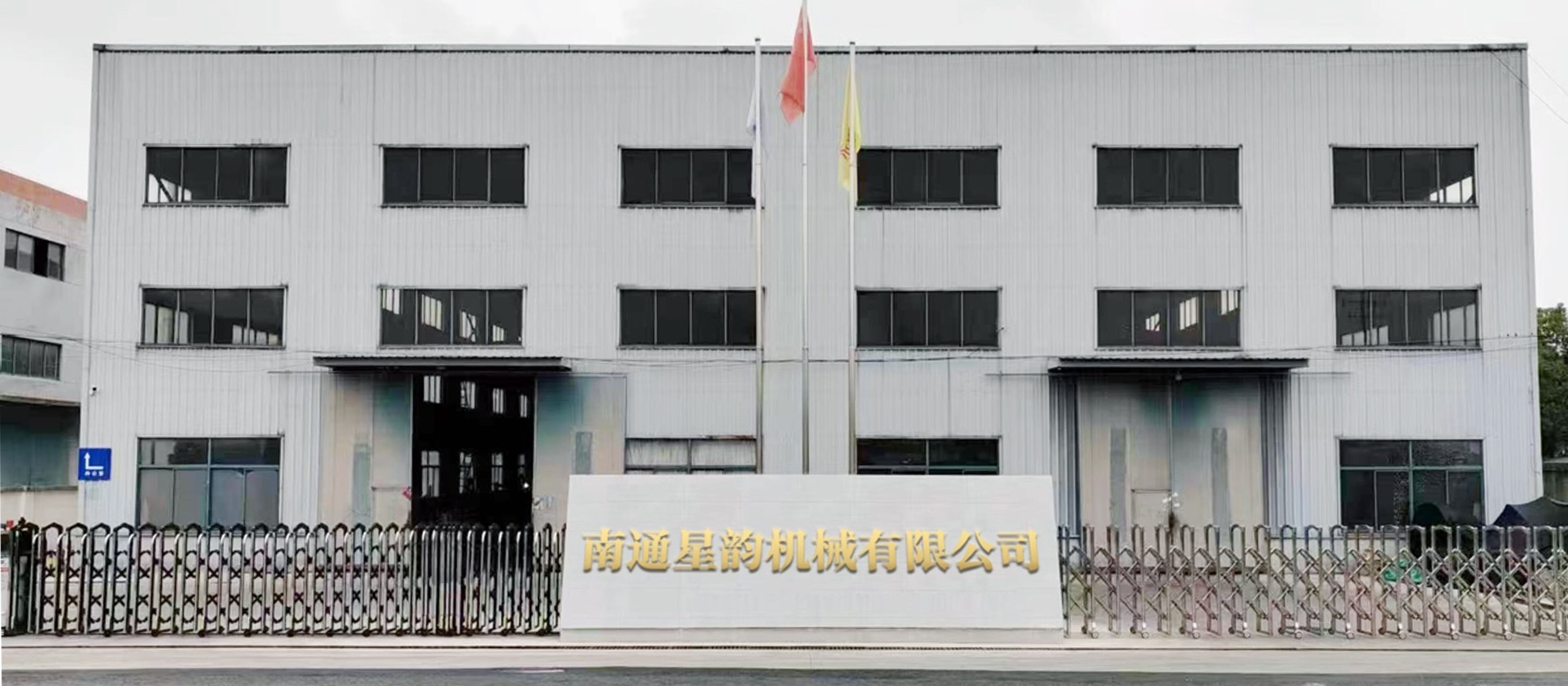
Two Decades of Leadership in Optical Innovation
Founding Vision and Evolution of Xingyun Machinery
Xingyun Machinery got started back around 2000 with one main goal in mind - changing how optical systems work using really precise engineering techniques. The people who started it saw something special in advanced optics that most others hadn't noticed yet, both for big industry applications and everyday consumers too. They decided early on to build everything around modular designs that could scale up as needed. Because of this smart strategy, the company managed to move super fast from just making prototypes to actually producing lots of units in record time. Within five years they were keeping up with all sorts of international orders for optical parts that worked reliably and performed at top levels.
Milestones in Optical Design and Engineering
The year 2010 marked a significant turning point when multi-layer aspheric lenses hit the market, cutting down on chromatic aberration by nearly half compared to older lens designs. Fast forward to 2018, Xingyun finally got their ISO 13485 certification for medical grade optics, which opened doors to applications like endoscopic equipment and various laser surgical instruments used in hospitals today. Much of these improvements happened because they worked closely with universities and research centers. Together they developed better ways to simulate optical performance and analyze manufacturing tolerances. This partnership really pushed forward both the precision of designs and how practical it was to actually manufacture these advanced optical components at scale.
The Role of Manufacturing Innovations in Optics
When companies started using automated centering and polishing systems, they saw production times drop around 60% without losing that incredible sub-micron level of accuracy. Xingyun developed their own special molding method that mixes glass with certain polymer materials. This helped solve those annoying thermal stability problems that plagued automotive LiDAR systems for years. Because of these advances, major players in robotics and AR/VR headsets now rely on Xingyun's products. The combination of extreme precision and ability to scale production has made them an important part of many manufacturing supply chains across different industries.
Data Point: Growth in R&D Investment Over 20 Years
Since 2005, R&D investment has grown at a compound annual growth rate (CAGR) of 15%, with 38% allocated to optical materials research. This sustained commitment has resulted in 127 patents since 2010, including seven covering anti-reflective nanocoatings now used in 23% of global smartphone camera modules.
Core Technological Advancements in Lens and Component Design
Innovation in Lens Design and Optical Components at Scale
Manufacturing complex lenses at scale has become achievable because of recent breakthroughs in computer modeling techniques. Today's technology allows for freeform surfaces made with incredible accuracy down to 0.1 microns, which means optical systems can capture views that are around 40% broader compared to old fashioned spherical lenses. This advancement opens doors for all sorts of applications including AR glasses and high tech imaging equipment used in space exploration. What makes this particularly exciting is how these advanced optics still work well when manufactured in large quantities, making them practical solutions for both cutting edge research and everyday consumer products alike.
Breakthroughs in Cutting-Edge Lens Materials
When manufacturers switch from traditional glass to these special high refractive index polymers we call HRIP, they're actually cutting down on lens weight by around sixty percent without losing much light transmission at all - studies from Li and team back this up in their 2015 research showing over 99% still gets through. And then there's those fluoride based coatings too which really take things to another level. These coatings bring reflectivity down to an amazing 0.05% across both visible light and infrared ranges. What does this mean practically? Well it means cameras can now see clearly even in really dim conditions where before only expensive professional gear could manage. We're starting to see applications pop up everywhere from security systems that work better at night to improved diagnostic tools for doctors, plus all sorts of sensors used in self driving cars and other automated systems.
Precision Molding Techniques Revolutionizing Production
Freeform diamond turning combined with nanoimprint lithography has slashed mold fabrication time from 14 days to under 48 hours. A 2024 industry study found these techniques reduce unit production costs by 28% while improving surface roughness to Ra 1.2 nm—a critical threshold for 8K imaging systems requiring ultra-smooth optical surfaces.
Case Study: High-Performance Lenses for Consumer Electronics
A top smartphone maker needed 10 times optical zoom capability but wanted it all to fit inside just 5mm space. Xingyun came up with something pretty clever using periscope lenses and those liquid focus modules. The result? Camera assemblies that ended up being almost 94 percent thinner compared to regular designs. Pretty impressive stuff really. Now this technology can be found in around 72 percent of high end phone cameras on the market today. And manufacturers aren't struggling much with production either since they're getting over 92% yield rates when making these parts. Some factories are even cranking out more than 10 million units each month without breaking a sweat.
Advanced Coatings and the Miniaturization of Micro-Optics
Development of Advanced Coatings for Optical Lenses
The latest multi layer anti reflective coatings cut down on light loss to around 0.2 percent per surface, which is actually about 60 percent improvement over older models. These advances came from using atomic layer deposition methods that allow much finer control over how the refractive indexes change across layers. Because of this, today's imaging equipment can transmit over 99 percent of available light while standing up better against things like moisture and temperature changes. That makes these coatings really valuable in applications where clarity matters most, such as in medical scopes used during surgeries or the delicate lenses found in space telescopes.
Micro-Optics and Miniaturisation Driving Next-Gen Devices
The market for optical parts smaller than 2 millimeters is growing fast across industries like AR glasses and tiny medical instruments used during surgeries. With photolithography techniques, manufacturers can now carve microscopic structures right into lenses themselves. This means components get much tinier without losing their optical quality. The auto industry has seen similar benefits too. Car makers are shrinking those big LiDAR sensors on vehicles by about a third or so these days, all while keeping the same level of detection accuracy needed for self driving features. Smaller hardware opens up new design possibilities without compromising functionality.
Industry Paradox: Balancing Precision with Cost Efficiency
Getting those sub-5nm surface tolerances right on coatings eats up about three quarters of what companies spend on production. Smart manufacturers are now turning to AI powered process controls to tackle this problem head on. These systems cut down material waste by roughly 35% when applying coatings, without compromising the optical quality that makes these products valuable. The real money saver comes from avoiding expensive upgrades to precision manufacturing equipment. Facilities typically shell out around $740,000 each time they need to bring their infrastructure up to spec according to Ponemon's latest report from last year.
Optical Networking and Fiber Optic Communication Solutions
Enabling High-Capacity Optical Transmission Systems
The combination of Wavelength-Division Multiplexing or WDM technology along with sophisticated optical amplifiers makes it possible to move massive amounts of data across networks at terabit speeds. These high capacity systems actually handle around 95% of all internet traffic worldwide according to recent reports from Omdia in their 2023 study. What's really impressive is how fast this infrastructure grows - network capacity tends to double roughly every two and a half years. Engineers design these systems with extreme care to reduce any signal degradation during transmission. This attention to detail keeps signal loss extremely low on those long distance fiber optic cables, typically under 0.2 dB per kilometer. Such performance is absolutely necessary for things we take for granted today like watching 4K videos online, running complex Internet of Things applications, and maintaining our ever expanding cloud storage needs.
Applications of Optics in Telecommunications Infrastructure
Fiber optic cables play a big role in getting 5G rolled out across cities, since they can handle data transfers with almost no delay at all - sometimes below 1 millisecond. That kind of speed matters a lot for things like self driving cars needing instant responses or doctors performing remote surgeries. According to research published last year, around eight out of ten telecom companies have started adopting these special hollow core fiber solutions to squeeze more capacity out of their crowded city network infrastructures. Another thing helping boost overall system performance? These fancy optical switching setups that act like traffic cops for data streams. They reroute information where it's needed most during busy periods, cutting down on network gridlock by roughly forty percent when compared against old school copper wiring systems still used in some areas.
Trend Analysis: Demand Surge in Fiber Optic Communication
According to Global Market Insights from last year, the worldwide fiber optic communications industry should hit about $23.1 billion in revenue by 2027. This growth comes mainly from big data centers expanding across the globe plus all those smart city projects popping up everywhere these days. Quantum tech is also making waves lately with its fancy entangled photons that could create networks nobody can hack into. But let's face it folks, deploying this stuff still costs way too much money for most companies right now. Looking at recent surveys, roughly three out of four businesses say they want better fiber infrastructure badly enough to put it on their priority list. However, when we check actual implementation rates, less than a third have gotten around to installing those fancy optical amplifiers required for truly next level applications down the road.
Future Outlook: Emerging Trends and Strategic Growth in Optical Innovation
Emerging Trends in Optical Innovation
We're seeing some pretty big changes happening in the industry as companies start adopting AI for design work and exploring what quantum technology can do for imaging applications. Market analysts predict that the worldwide optical satellite business will hit around $10.4 billion within the next decade or so. Farmers are benefiting from hyperspectral imaging tech that gives them much better insights into crop health across large fields. At the same time, car manufacturers are integrating optical parts optimized through artificial intelligence to improve how self-driving cars perceive their surroundings. The progress we've made in photonic circuits and nano fabrication techniques has allowed components to get incredibly small these days. This miniaturization trend fits right in with consumers wanting smaller gadgets and doctors needing compact diagnostic tools for medical equipment.
Challenges in Global Optics Markets
Manufacturers are really struggling these days trying to get better performance while keeping costs down. The problem? We're running low on those rare earth elements needed for high quality coatings, and global trade issues have messed things up even more. All this has pushed material prices up around 22% last year according to some industry reports from PwC. And let's not forget about sustainability either. A lot of telecom companies are starting to care about this stuff too. About two thirds of them actually want their suppliers to provide optical components that don't produce carbon emissions. Gartner reported this trend back in 2023, showing how green initiatives are becoming increasingly important across industries.
Strategic Outlook for Xingyun Machinery’s Next Decade
Xingyun is putting a lot of focus on research and development for adaptive optical systems right now, especially since the industrial lens market is expected to expand quite a bit over the next few years. Some analysts predict growth around 8.5 percent annually until 2028. To make this work at scale, they need to team up with big names in semiconductors and invest heavily in those automated molding systems that produce really precise optical components. The company is also eyeing expansion opportunities across Asia Pacific where smart manufacturing centers are popping up everywhere. At the same time, there's been some interesting progress on creating lenses that can withstand tough conditions, something that could give them an edge in areas like autonomous robots and even satellite communication networks where reliability matters most.
FAQ
What are the key achievements of Xingyun Machinery?
Xingyun Machinery has achieved significant milestones, including the market introduction of multi-layer aspheric lenses in 2010 and receiving ISO 13485 certification for medical grade optics in 2018.
How has Xingyun Machinery contributed to optical innovation?
The company has revolutionized optical systems with advances in lens design, high refractive index polymers, and precision molding techniques. These innovations have improved applications in areas like AR glasses, self-driving cars, and consumer electronics.
What are the trends affecting the fiber optic communication industry?
The industry is driven by the expansion of big data centers, smart city projects, and 5G rollout. There’s also been interest in quantum technology, though costs remain a challenge for widespread deployment.
What are the future plans for Xingyun Machinery in terms of growth?
Xingyun is focusing on R&D for adaptive optical systems, strategic collaborations with semiconductor companies, and expansion in Asia Pacific to leverage smart manufacturing opportunities.
Table of Contents
- Two Decades of Leadership in Optical Innovation
- Core Technological Advancements in Lens and Component Design
- Advanced Coatings and the Miniaturization of Micro-Optics
- Optical Networking and Fiber Optic Communication Solutions
- Future Outlook: Emerging Trends and Strategic Growth in Optical Innovation
- FAQ
