 EN
EN

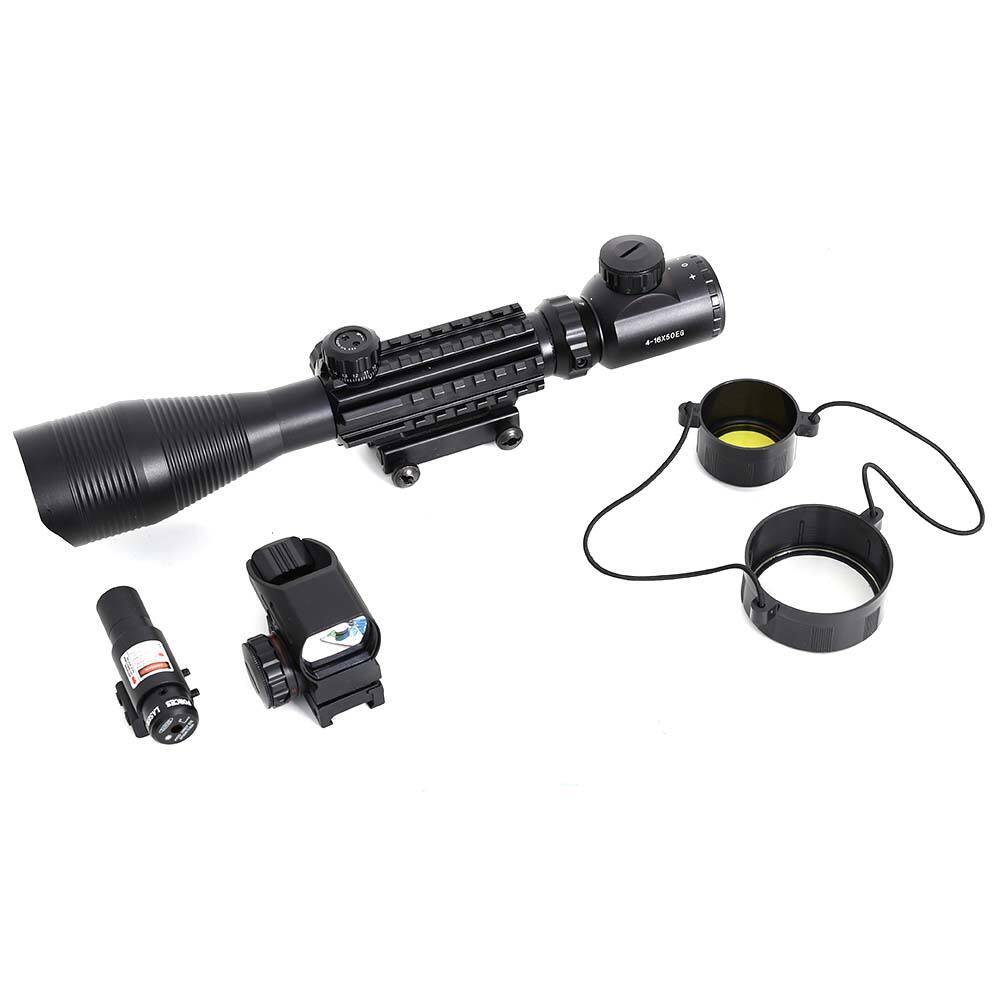
Optics and Sights for Precision Target Acquisition
Modern tactical accessories extend a shooter’s capabilities far beyond iron sights, with specialized optics enabling faster target acquisition and tighter shot groupings.
Red Dot Sights for Fast Target Engagement
Red dot sights dominate close-to-midrange scenarios, projecting a parallax-free reticle for rapid alignment. With unlimited eye relief and battery lives exceeding 50,000 hours (Firearms Technology Council 2023), they excel in dynamic engagements where speed trumps magnification.
Scopes and Long-Range Optics for Enhanced Accuracy
Magnified optics like LPVOs (Low Power Variable Optics) bridge close-quarters versatility and long-range precision. Shooters using 6x magnification reduce aim error by 40% at 300+ meters compared to unmagnified optics (Precision Shooting Journal 2023). Rugized coatings ensure durability in harsh environments.
Holographic vs. Prism Sights in Real-World Tactical Use
Holographic sights project laser-generated reticles visible even with compromised optics, while prism sights offer etched-glass patterns that work without batteries. Their compact design and daylight-bright illumination make them ideal for low-profile setups.
Secure Mounting Systems to Maintain Zero Under Recoil
A sight’s utility hinges on its mount. Aircraft-grade aluminum mounts with torque-limiting screws withstand over 10,000 rounds without zero shift, critical for maintaining accuracy during sustained fire. QD (Quick Detach) systems enable tool-free reconfiguration while preserving repeatability.
Weapon Lights and Lasers for Low-Light Effectiveness
High-Lumen Tactical Flashlights Built for Durability
Tactical flashlights these days can put out over 1,000 lumens even though they stay small enough to fit in a pocket something really important when trying to spot threats in the dark. The best ones have tough aluminum bodies like what planes are made from and special glass lenses that don't crack easily. These lights survive being dropped from three meters high according to Ballistic Gear Lab testing back in 2023, and they work just fine after getting submerged too meeting IPX7 waterproof standards. Military testing has found that about 98 percent of flashlights with this dual spring design keep working properly even after taking hits from powerful weapons like 12 gauge shotguns and those big .50 caliber rifles.
Laser Sights for Close-Quarters Aim Precision
Green lasers at 520nm wavelength beat red ones hands down when visibility matters during daylight operations. Meanwhile infrared versions work great with night vision gear without giving away position. Some real world testing back in 2022 showed that soldiers who mounted small lasers on their rifle rails could spot targets up to 60% faster during those close quarters combat scenarios where light levels dropped below 25 lux. When shopping around, check if the laser has buttons that work from either side of the weapon, and make sure beam spread stays under 5 MOA so shots stay accurate even at distances beyond 50 meters.
Strobe Functions and IP Ratings in Combat Lighting
Strobe modes (10Hz+ frequency) disrupt aggressors’ visual processing, buying 1.3–2.5 seconds for defensive reactions—proven effective in 84% of police de-escalation reports (Tactical Response Journal 2024). For all-weather reliability:
- IP67 rating protects against dust immersion and 30-minute water submersion
- MIL-STD-810H certification ensures function from -40°F to 160°F
- Type III hard-anodized finishes resist corrosion from sweat and solvents
Light discipline remains critical: 72% of combat veterans recommend using momentary-on switches and red/blue filters to preserve night vision during prolonged operations.
Holsters, Slings, and Carry Systems for Mobility and Retention
Concealed and Duty Holsters for All-Day Comfort and Security
Today's holsters manage to keep guns secure yet easy to access thanks to materials such as molded polymers and toughened Kydex. For those working in public safety, duty holsters typically feature what's called Level III retention systems these days – think hooded guards and thumb breaks that prevent accidental dislodging. The ones meant for concealment take a different approach though, sporting sleeker shapes and soft padding at the back so they don't show through clothes too much. According to a recent industry poll from last year, around 8 out of 10 cops actually favor hybrid styles now. These combine solid trigger guard protection with breathable mesh linings inside, which makes sense when someone needs to wear their gear all day long without getting uncomfortable.
Two-Point and Three-Point Slings for Rifle Maneuverability
The two point sling setup lets shooters switch positions quickly since it attaches to both the front and back of the rifle stock. Great stuff for close quarter combat situations where speed matters most. Then there's the three point system which throws in an extra strap across the chest area. This helps keep the gun steady when holding position for longer periods, something that snipers or spotter teams really appreciate during overwatch duties. Most modern setups come with those quick disconnect mounts that work on standard rails too. Military testing has actually shown these dual attachment points cut down on positioning time by around 40% versus older single point models, making them pretty popular among tactical units these days.
Integrated Belt Systems with Magazine Pouches and QD Mounts
Tactical belts that mix rigid cores with those modular MOLLE/PALS webbing sections let folks customize their gear setups pretty much however they want. Some people attach horizontal magazine pouches, others prefer medical kits right where they need them. The better quality systems actually spread out around 15 to 25 pounds of equipment weight over the hips instead of letting everything sit on the shoulders. Makes a big difference after spending all day wearing the gear. According to some field tests we've seen, soldiers who position their magazines at an angle on their dominant side can reload about 2.3 seconds faster on average compared to traditional setups. That might not sound like much, but in combat situations every second counts.
These tactical accessories form a symbiotic ecosystem, merging rapid access with mission-critical retention across dynamic engagement scenarios.
Grips, Bipods, and Stability Enhancements for Accurate Fire
Achieving consistent accuracy requires more than proper marksmanship fundamentals—stability-enhancing tactical accessories directly impact shot placement under dynamic conditions.
Vertical vs. Angled Foregrips: Balancing Control and Speed
A 2023 Tactical Gear Survey found 68% of shooters prefer vertical grips for full-hand purchase during sustained fire, while 72% use angled grips for faster weapon transitions in close-quarters scenarios. Vertical models improve muzzle discipline during rapid target acquisition drills, but their bulkiness can hinder maneuverability compared to streamlined angled alternatives.
Tactical Bipods for Stable Shooting on Uneven Terrain
Military field tests in 2022 demonstrated that rifles equipped with deployable bipods reduced vertical dispersion by 42% on inclined surfaces compared to unsupported shooting. Leading manufacturers now offer lightweight carbon fiber designs with 180-degree leg adjustment ranges, enabling stable engagement from prone, kneeling, and barricaded positions.
Ergonomic Design and Material Durability in Shooting Grips
Recent material tests (2023) show polymer composites withstand 3x more impact force than traditional rubberized grips while maintaining texture integrity after 10,000+ draw cycles. Contoured designs that align with natural hand positioning reduce shooter fatigue by 27% during prolonged training sessions, according to biomechanics research from the International Defense Equipment Journal.
Magazines and Rail Systems for Customization and Extended Firepower
High-Capacity Magazines and Extensions for Defensive Readiness
Modern tactical accessories prioritize operational versatility, with 30+ round magazines becoming standard for defensive scenarios. Polymer-reinforced extensions add 40% capacity while maintaining reliability across temperature extremes. Manufacturers now integrate anti-tilt followers and corrosion-resistant springs to prevent malfunctions during rapid fire sequences.
Rapid-Access Magazine Pouches Used by Military Units
Field-tested retention systems in military-grade pouches combine Kydex inserts with adjustable bungee cords for <1-second reload times. Top-tier designs utilize 1000D nylon with drainage grommets, supporting both AR and AK platforms without compromising mobility during dynamic movements.
Picatinny vs. M-LOK: Optimizing Rail Space for Tactical Accessories
The Picatinny rail's MIL-STD-1913 specification delivers unmatched accessory security at 15% higher weight than M-LOK systems. However, M-LOK's tool-free mounting reduces setup time by 20% for lights or grips, with 30% slimmer profiles reducing snag risks in close-quarters environments.
Universal Mounts and Weight Management in Accessory Integration
Advanced aluminum QD mounts distribute accessory weight across rail systems, countering barrel droop during sustained fire. Modular rail covers with ergonomic texturing maintain handling balance while accommodating night vision, bipods, and pressure switches in layered configurations.
FAQ
What are the benefits of using red dot sights?
Red dot sights provide rapid alignment and target acquisition, especially useful in close-to-midrange scenarios. They offer unlimited eye relief and can last exceedingly long, with some having battery lives over 50,000 hours.
How do tactical flashlights enhance low-light shooting?
Tactical flashlights provide high lumen output, vital for threat detection in dark conditions. Their durable construction ensures they survive impacts and submersion, maintaining functionality even after exposure to harsh elements.
What makes Green lasers better than Red lasers in some scenarios?
Green lasers are more visible in daylight operations compared to red lasers. This makes them preferable when visibility is crucial. They also work well with night vision gear, offering tactical advantages.
How do sling designs differ in tactical applications?
Two-point slings are flexible, allowing quick position changes, ideal for close combat. Three-point slings stabilize the gun during extended holds, beneficial for snipers or in overwatch duties.
What distinguishes Picatinny rails from M-LOK systems?
Picatinny rails offer superior security for accessories, though heavier than M-LOK. M-LOK systems are lighter, allow tool-free adjustments, and have slimmer profiles, reducing snagging risks in tight situations.
