 EN
EN

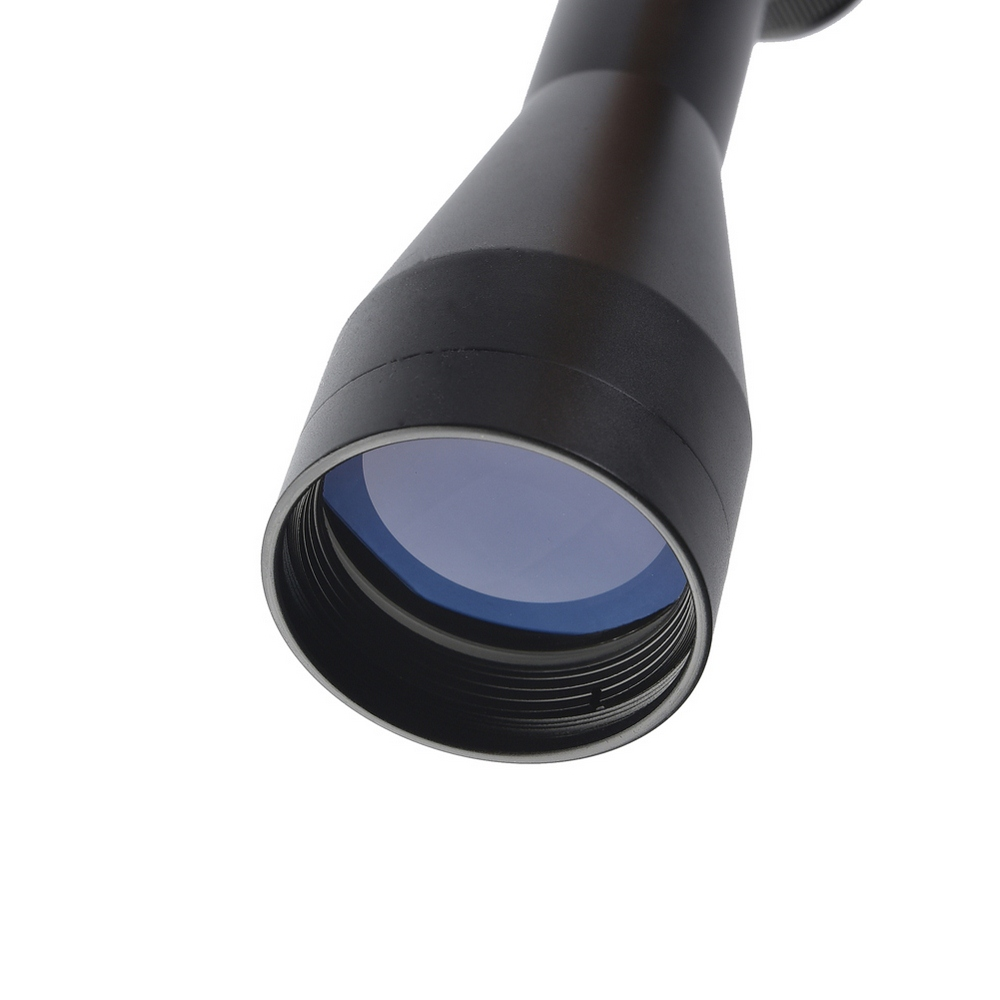
Why Proper Care of Scopes and Sights Matters
The Role of Optics in Shooting Accuracy and Performance
Good quality scopes and sights make all the difference when it comes to hitting what we're aiming at. They give shooters that clear view needed to spot targets far away. But even small things matter here. A tiny speck of dirt or a fingerprint on those lens surfaces can mess up how we see through them, which means our shots might go off course. Take fingerprints specifically they really bother those special coatings designed to cut glare. We've seen cases where just one print reduces how much light gets through by around 15 percent, making it really hard to shoot accurately in dim conditions. The scope is basically the connection point between what the shooter wants to do and where the bullet actually goes. So anything that makes the image look fuzzy or unclear directly affects how well someone can consistently hit their mark.
How Maintenance Extends the Lifespan of Precision Optics
Keeping things clean and checking regularly helps prevent environmental damage to those delicate parts. Grime builds up, moisture gets in there, and extreme temperatures just wear down those lens coatings and seals faster than we'd like. The latest report from Precision Optics Maintenance back in 2024 showed something interesting too. Shooters who stuck to proper cleaning schedules ended up replacing their gear about 40 percent less often after five years. Some basic stuff really makes a difference here. Blow out dust with compressed air before it scratches surfaces, and don't forget to check those mounting bolts for tightness now and then. These little steps keep everything aligned properly and stop mechanical issues from developing down the road.
Financial and Functional Risks of Neglecting Scope Care
When people neglect regular maintenance, they end up spending big bucks on fixes or new gear down the road. Fogged up reticles or scratched lenses alone can run over three hundred dollars to fix sometimes. Worse still, bad optics mess with zero settings which makes shooters second guess themselves at exactly the wrong time. According to industry stats, around two thirds of all optic related problems with firearms come from simple mistakes in how folks clean and store their stuff. Harsh chemicals and improper storage are common culprits. Taking care of optics isn't merely saving money though. It's about making sure the rifle works right when it matters most, like during those critical shots where there's no room for error whatsoever.
Essential Tools and Supplies for Effective Scope Maintenance
Using Appropriate Cleaning Materials: Microfiber Cloths, Lens Solutions, and Air Blowers
Taking good care of optical scopes really depends on having the proper equipment for the job. Research from the 2022 Optics Maintenance Report shows microfiber cloths cut down on those pesky lens scratches by about two thirds when compared against regular old fabric options. For cleaning purposes, stick with high purity isopropyl alcohol around 70% strength max since this helps break down oils without damaging those precious anti reflective coatings. And don't forget about rubber bulb air blowers they work wonders at getting rid of dust particles without touching the actual glass surface. Paper towels and cotton swabs should be off limits though these tend to catch on the edges of lenses and often leave behind unwanted residue as noted in various studies about coating durability over time.
Recommended Tools: Lens Pens, Soft Brushes, and Manufacturer-Specific Kits
Three tools form the foundation of effective optic maintenance:
- Lens pens with carbon-embedded tips effectively remove skin oils from eyepieces
- Soft synthetic brushes gently clear debris from turrets without damaging anodized surfaces
- Brand-specific kits help maintain proper torque (typically 35–45 in/lbs for rifle scopes)
Shooters using manufacturer-recommended kits preserved zero retention 75% longer than those relying on improvised tools, per the 2022 Optics Maintenance Report.
Why Household Items Like Shirt Sleeves Damage Optical Coatings
Wiping lenses with clothing introduces two major risks:
- Abrasive fibers: Cotton and polyester blends create micro-scratches that scatter light and reduce image contrast–83% of damaged scopes in a 2023 survey showed this pattern
- Chemical contamination: Laundry detergents and fabric softeners degrade hydrophobic coatings over time
After just 50 cleanings with improper materials, coated lenses lose up to 22% of their light transmission, negating the advantages of premium optics. Always use purpose-built tools to preserve ballistic accuracy and warranty eligibility.
Step-by-Step Cleaning Techniques for Different Optic Types
Safe Cleaning Process for Rifle and Prism Scopes
Make sure the optic is stable before starting any cleaning work so we don't accidentally move things around. When dealing with optics that aren't mounted yet, try what some folks call the Drop & Drag method. Just put a small amount of solvent onto a piece of lens tissue and drag it across the glass surface in one smooth motion. Works pretty well for flat surfaces at least. For those tricky mounted or curved lenses though, grab some tweezers and wrap them with a microfiber cloth first. Then soak the cloth lightly with good quality optical solution and slowly rotate it outward from the center. Don't press too hard! According to a recent poll back in 2023 asking 2000 shooters about their experiences, almost 4 out of every 10 people had problems with their reticles getting knocked off track simply because they didn't stabilize properly while cleaning.
Preserving Anti-Reflective Coatings During Lens Cleaning
Anti-reflective coatings improve light transmission by up to 99.7% (RP Photonics 2022), but they are vulnerable to ammonia-based cleaners and abrasive contact. Prioritize gentle methods based on contamination level:
| Method | Success Rate | Risk of Coating Damage | Ideal Use Case |
|---|---|---|---|
| Compressed air | 89% | Low | Loose dust removal |
| Microfiber drag | 94% | Moderate | Oily residues |
| Pre-moistened wipes | 81% | High | Stubborn contaminants |
Removing Debris with Compressed Air and Soft Brushes
Hold oil-free compressed air at a 45° angle, 6–8 inches from the lens, to avoid forcing particles into the surface. For dried mud or carbon buildup, use a horsehair brush with outward strokes from the center. Field tests show this method reduces scratches by 72% compared to circular brushing.
Proper Application of Cleaning Solutions and Drying Methods
Apply solvents like 99% isopropyl alcohol in small dots rather than sprays to prevent seepage into seals. After wiping, blot dry with optical-grade tissue–rubbing increases static charge by fivefold, attracting more dust (2023 Material Science Report).
Common Cleaning Mistakes to Avoid (e.g., Gun Cleaners, Over-Cleaning)
Solvents like CLP break down coating polymers after as few as 15 uses. Similarly, excessive cleaning (three or more times per week) wears anti-fog layers 40% faster than biweekly maintenance. Limit cleaning to when necessary and always follow best practices.
Special Considerations for Red Dot and Reflex Sights
Avoid alcohol-based solutions on holographic sights, as they can dissolve internal adhesives in 87% of models. Instead, use ammonia-free cleaners applied with foam-tipped swabs. For open reflex sights, clean adjustment dials first to prevent debris from transferring onto the lens during operation.
Handling Moisture and Fogging in Open vs. Sealed Reflex Sights
Store sealed optics with silica gel packs to preserve nitrogen purging and prevent internal fogging. Open sights benefit from periodic reapplication of hydrophobic sprays–every 200 rounds–to resist condensation. A 2024 Ballistic Study found these measures reduce fogging incidents by 91% in humid environments.
Maintaining Mounts, Rings, and Alignment for Zero Retention
Regular checks on scope rings and mounts are important for keeping your rifle accurate over time. Cracks, stripped threads, or corrosion can cause what shooters call "zero shift" when shooting. These issues might change where bullets hit the target by about half to two minutes of angle after each shot. To keep things running smoothly, wipe down all contact areas with some rubbing alcohol. Any parts showing signs of wear should be swapped out right away before they start affecting shot placement. Neglecting these maintenance steps leads to decreased accuracy that most hunters and target shooters will notice pretty quickly during their next range session.
Proper Torque Application and Mounting Techniques
Use a calibrated torque wrench to tighten rings within manufacturer specifications (typically 18–25 in-lbs for aluminum rings). Over-tightening deforms the scope tube, while under-tightening risks slippage. Apply threadlocker only to base screws–not ring screws–to allow future adjustments without damaging threads.
Keeping the scope zero consistent despite recoil and vibration is critical for accurate shooting over time. Shooters should check their zero after around 50 to 100 rounds have been fired through the rifle. This helps spot problems that might come from the rail bending or rings not sitting properly aligned. For rifles that kick back hard when shot, steel rings with those little anti rotation pins work best. Some folks also find that mounting systems bedded in epoxy help soak up some of that annoying vibration. Getting a professional to lap the rings once every year cuts down on stress to the scope body somewhere between 40% and 60%. According to some research published in precision optics journals last year, this maintenance step really makes a difference in how long scopes stay reliable before needing adjustment.
Environmental Protection and Long-Term Care Strategies
Shielding Scopes from Dust, Humidity, and Temperature Extremes
About 42% of optics that degrade in the field actually do so because of environmental factors according to the Ballistic Maintenance Report from last year. Moisture gets inside and starts eating away at those delicate components. Then there's the problem when temps swing wildly back and forth which tends to mess up those waterproof seals we rely on so much. When dealing with dry climates, folks should grab those anti dust covers and keep their gear stored properly in padded cases along with some silica gel packets to keep things below 40% humidity. And let's talk about freezing weather conditions below 14 degrees Fahrenheit or -10 Celsius mark. Don't touch those turret adjustments until everything has had time to warm up a bit. The lubricants get really thick in such cold and trying to force adjustments just creates unnecessary resistance that can damage the mechanism over time.
Best Practices for Storing Optics When Not in Use
Store scopes vertically in climate-controlled environments (50–77°F / 10–25°C) with 30–50% relative humidity. Hard cases with foam lining protect against impacts, while silica gel canisters control moisture. Avoid attics and basements, where daily temperature swings often exceed 40°F, accelerating material fatigue.
Following Manufacturer Guidelines for Warranty and Performance
Most scope warranties require adherence to specific protocols:
- Correct torque settings during installation (usually 15–25 in-lbs for rings)
- Use of approved cleaning agents (ammonia-based products are typically prohibited)
- No disassembly beyond user-serviceable parts
Failure to comply voids 74% of factory warranties (Optics Trade Assurance Study 2023), making compliance essential for protection and resale value.
Creating a Routine Maintenance Schedule for Peak Reliability
Adopt a schedule of monthly checks for debris and fogging, with full cleanings after every 250 rounds or exposure to rain or salt spray. Have waterproof models professionally serviced annually to verify nitrogen sealing. Keeping detailed logs of maintenance improves resale value by 22% compared to units without documentation.
FAQ Section
What are the common risks of neglecting scope care?
Neglecting scope care can lead to financial costs due to repairs or replacements, decreased shooting accuracy, and potential warranty voids. Common issues include fogged reticles, scratched lenses, and zero shifts.
How often should I perform maintenance on my scopes and sights?
Regular maintenance checks should be performed monthly, with direct cleaning suggested after every 250 rounds or exposure to harsh elements. Annually, professional servicing is recommended for waterproof models.
What materials are safe to use for cleaning scope lenses?
Use microfiber cloths, high purity isopropyl alcohol (up to 70%), and rubber bulb air blowers. Avoid paper towels, cotton swabs, or household fabric as they could scratch or leave residues.
How can I prevent scope degradation in varying environmental conditions?
To prevent degradation, use anti-dust covers, stored in padded cases with silica gel. Avoid adjusting turrets in extremely cold conditions, and store optics in climate-controlled environments when not in use.
Table of Contents
- Why Proper Care of Scopes and Sights Matters
- Essential Tools and Supplies for Effective Scope Maintenance
-
Step-by-Step Cleaning Techniques for Different Optic Types
- Safe Cleaning Process for Rifle and Prism Scopes
- Preserving Anti-Reflective Coatings During Lens Cleaning
- Removing Debris with Compressed Air and Soft Brushes
- Proper Application of Cleaning Solutions and Drying Methods
- Common Cleaning Mistakes to Avoid (e.g., Gun Cleaners, Over-Cleaning)
- Special Considerations for Red Dot and Reflex Sights
- Handling Moisture and Fogging in Open vs. Sealed Reflex Sights
- Maintaining Mounts, Rings, and Alignment for Zero Retention
- Environmental Protection and Long-Term Care Strategies
- FAQ Section
